
Let’s be real—tracking your spending is about as fun as watching paint dry. But here’s the thing: you can’t actually fix your finances if you don’t know where your money’s going. It’s like trying to lose weight without ever stepping on a scale. You might feel like you’re doing okay, but you’re probably just guessing.
The good news? Tracking your spending doesn’t have to be complicated or soul-crushing. It’s actually one of the most powerful moves you can make toward financial freedom. Once you see exactly where your money goes each month, you’ll probably be shocked—and then you can actually do something about it.
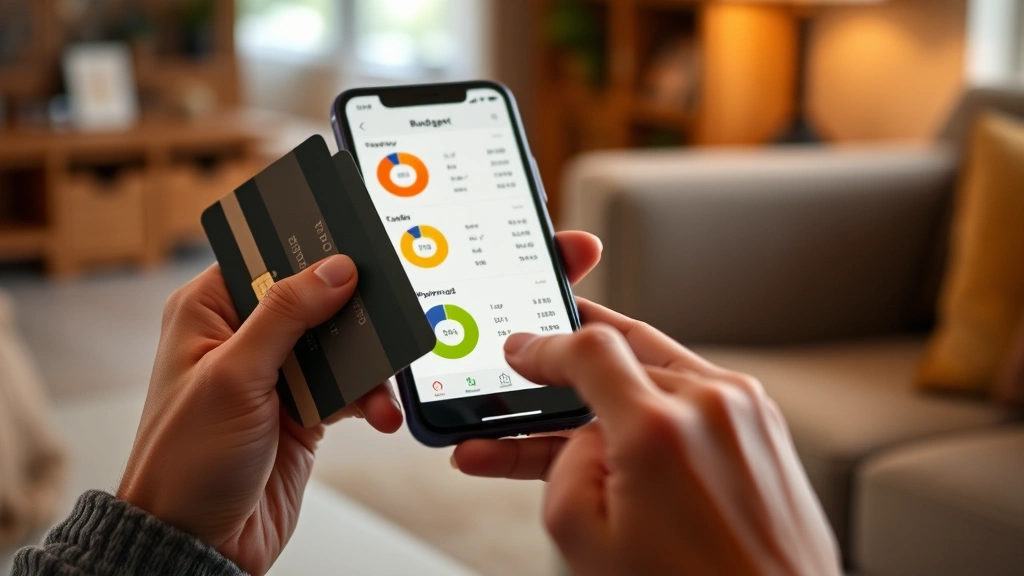
Why Tracking Your Spending Actually Matters
Most people have no idea where their money goes. A coffee here, a subscription there, a random online purchase—it all adds up to thousands of dollars vanishing into thin air. That’s not a character flaw; it’s just how modern spending works. Everything’s so frictionless now that you barely notice the money leaving your account.
But here’s why tracking matters: you can’t optimize what you don’t measure. This is true for fitness, business, relationships, and absolutely true for your finances. When you track your spending, a few magical things happen:
- You become aware of your actual habits (not your imagined ones)
- You spot patterns and leaks you never noticed before
- You gain control over your money instead of letting it control you
- You can actually work toward financial goals with real data, not hope
- You’re way more likely to stick to a budget because you understand why it matters
Think about it this way: if you’re trying to create a realistic budget, you need to know your real spending numbers. And if you want to build an emergency fund or save for something big, you need to know where you can cut back. Tracking gives you all that information.

The Best Methods for Tracking Spending
There’s no single “right” way to track spending—it depends on what actually works for your brain and your lifestyle. Let’s look at the main approaches:
The Manual Method (Spreadsheet or Notebook)
Yeah, it sounds old-school, but there’s something powerful about manually entering every transaction. It forces you to pay attention. Some people use a simple Google Sheet, others use a notebook. The friction of manual entry actually helps you notice what you’re spending on.
Pro: You’re fully aware of every dollar. Con: It takes time and you have to remember to do it.
Receipt Tracking
Save every receipt and categorize them weekly. This works great if you’re mostly using cash or paying with cards and want a tangible record. You could even snap photos of receipts and organize them in a folder.
Credit Card and Bank Statement Review
The easiest method for many people: just review your statements monthly. Most banks and credit cards let you see spending by category. You’re not tracking in real-time, but you get a complete picture of where money actually went.
Pro: Minimal effort, complete data. Con: You’re looking backward, not forward, so it’s harder to catch overspending in the moment.
The Envelope Method (Digital or Physical)
Divide your money into categories (envelopes) and track spending against each one. This is basically setting up smart spending categories and monitoring them religiously. It’s fantastic if you tend to overspend in certain areas.
Apps and Tools That Make It Easy
Technology has made spending tracking way more accessible. Here are the most popular options:
- Mint (now Intuit Credit Monitoring) – Automatically categorizes transactions from linked accounts. Great for passive tracking.
- YNAB (You Need A Budget) – Focuses on intentional spending and connecting tracking to your budget. Subscription-based but worth it if you’re serious.
- Personal Capital – Great if you want to track spending alongside investments and net worth.
- EveryDollar – Simple, visual, and specifically designed to support budgeting.
- Rocket Money (formerly Truebill) – Finds subscriptions you forgot about and negotiates bills for you.
- Goodbudget – Digital version of the envelope method.
- Plain old spreadsheets – Google Sheets or Excel give you complete control and cost nothing.
The best app is the one you’ll actually use. If you hate complicated interfaces, go simple. If you want all the bells and whistles, pick something robust. NerdWallet has detailed reviews of most major apps if you want to compare features.
Most apps can link to your bank and credit card accounts, which means transactions import automatically. This takes out the manual data entry work, but it also means you’re giving the app access to your financial information. Make sure you’re comfortable with the privacy and security setup before you connect anything.
IMAGE_2
Setting Up Smart Spending Categories
You can’t just dump all your transactions into one bucket. You need a category system that actually makes sense for your life and helps you spot problems.
Here’s a solid framework to start with:
- Fixed Expenses – Rent/mortgage, insurance, loan payments. These don’t change month-to-month.
- Utilities – Electric, water, internet, phone. Mostly fixed but can vary.
- Groceries – Food you buy to cook at home.
- Dining Out – Restaurants, coffee shops, food delivery. (Keep this separate from groceries—it’s important.)
- Transportation – Car payment, gas, maintenance, parking, public transit.
- Personal Care – Haircuts, gym, toiletries, medications.
- Entertainment – Movies, hobbies, streaming services, events.
- Clothing – Apparel and shoes.
- Subscriptions – Everything recurring that doesn’t fit elsewhere.
- Shopping/Miscellaneous – Stuff that doesn’t fit neatly elsewhere.
- Savings – Money you intentionally set aside (more on this below).
- Debt Payments – Credit card payments, student loans, etc.
Pro tip: Create sub-categories under the big ones if it helps. For example, under “Entertainment,” you might track “streaming services,” “concerts,” and “hobbies” separately. This level of detail can reveal surprising patterns.
The key is making categories specific enough to be useful but not so granular that tracking becomes a nightmare. Start with the basic framework above and adjust as you learn what matters for your life.
Building Sustainable Tracking Habits
Tracking only works if you actually stick with it. Here’s how to make it a habit instead of a chore:
Start Small
Don’t try to track every single penny on day one. Start with major categories and expand from there. Once you’ve got the basics down, you can get more detailed.
Pick a Specific Day
Set a recurring calendar reminder to review your spending. Sunday evening works for a lot of people. Spend 10 minutes reviewing the week or month. That’s it.
Use Automation
Let your app or bank do the heavy lifting. You’re just reviewing and categorizing, not manually entering everything.
Make It Visual
Most tracking apps show you charts and graphs. Look at them. Seeing a pie chart where 40% of your money goes to dining out hits different than just knowing the number.
Connect It to Your Why
Tracking is boring if it’s just an exercise. But tracking because you’re saving for a house, paying off debt, or building financial resilience? That’s motivating. Remind yourself why you’re doing this.
Don’t Be Perfect
You don’t need to track every single transaction to the penny. 80% accuracy is plenty. If you miss a few small purchases, it’s fine. The goal is understanding your spending patterns, not achieving perfection.
How to Analyze Your Spending Data
After you’ve been tracking for a month or two, you’ll have real data. Now comes the important part: actually looking at it and asking questions.
Compare to Income
Add up all your spending categories and compare to your actual income (after taxes). Are you spending more than you make? Exactly what you make? Less? This is your baseline reality.
Look for Surprises
Which categories are bigger than you expected? Dining out? Subscriptions? Shopping? These are your “leaks”—places where money’s disappearing without you really noticing.
Identify Fixed vs. Variable
Some spending is locked in (rent, car payment). Other spending fluctuates (groceries, entertainment). Understanding which is which helps you see where you actually have flexibility.
Calculate Percentages
What percentage of your income goes to housing? Food? Entertainment? Bankrate has benchmarks for healthy spending ratios. You don’t have to hit them exactly, but they’re useful reference points.
Month-to-Month Trends
Track the same categories across multiple months. You’ll spot seasonal patterns (higher utilities in winter, more entertainment spending in summer). This helps you predict and plan.
The “Money Leak” Investigation
If you’re not hitting your financial goals, look for money leaks. Subscriptions you forgot about, impulse purchases, fees you didn’t notice. These small things add up to hundreds or thousands per year.
IMAGE_3
Connecting Tracking to Your Budget
Tracking and budgeting are different things, but they work together beautifully. Tracking is about knowing where your money goes. Budgeting is about deciding where you want it to go.
Here’s the connection: you track first to get real data, then you use that data to create a realistic budget. If you’ve been spending $600 a month on dining out, you can’t suddenly budget $100 without understanding where that money’s actually going.
Once you have a budget in place, tracking helps you stick to it. You’re constantly comparing your actual spending to your planned spending. This is how you catch yourself before you go over in a category.
Many of the apps mentioned above (YNAB, EveryDollar) actually combine tracking and budgeting into one system. You set budget targets for each category, then the app shows you how you’re tracking against those targets in real-time.
If you haven’t created a budget yet, check out our guide on how to build a budget that actually works. It walks you through the process step-by-step.
The ultimate goal here is awareness and intentionality. You’re not tracking to punish yourself or obsess over every dollar. You’re tracking so you can make conscious decisions about your money instead of sleepwalking through your finances.
FAQ
How long should I track my spending before I understand my patterns?
Generally, 2-3 months gives you enough data to spot real patterns. One month might be an outlier. After 3 months, you’ll have a solid understanding of your baseline spending and where your biggest opportunities are.
What if I have irregular income (freelancer, seasonal work)?
Track your actual spending in absolute dollars, but think about your budget in terms of averages. Calculate your average monthly income over the past year, then build your budget around that. This helps smooth out the ups and downs. On high-income months, put the extra into savings.
Should I track my spouse’s spending separately or together?
This depends on your relationship and finances. If you have joint finances, tracking together makes sense because you’re working toward shared goals. If you keep finances separate, track separately. Either way, have regular conversations about spending and goals. Money is a team sport in most relationships.
Is it bad if my spending varies wildly month-to-month?
Not necessarily. Some months you’ll spend more (car repairs, holidays, unexpected expenses). That’s normal. What matters is the trend over time. If your average is sustainable and you’re hitting your financial goals, variance is fine. If you’re constantly overspending and going into debt, that’s the problem.
How do I track cash spending?
Cash is harder because there’s no automatic record. You have a few options: keep receipts, write down cash purchases as you make them, or use an app that lets you manually log transactions. Some people find that the friction of tracking cash makes them spend less of it, which is actually a useful side effect.
What should I do if I find out I’m spending way more than I thought?
First, don’t panic. You’re not alone—most people are shocked by their actual spending. Second, don’t try to fix everything at once. Pick one or two categories where you can make changes, start there, and build momentum. Third, consider talking to a financial planner if you’re feeling overwhelmed. Sometimes having a professional help you understand the big picture makes everything feel more manageable.
Can I use multiple tracking methods at the same time?
Absolutely. Some people use an app for automatic tracking but also manually review statements. Others track some categories in an app and others in a spreadsheet. Use whatever combination actually works for you. The system only matters if you’ll use it consistently.
The bottom line: tracking your spending is the foundation of financial control. It’s not glamorous or exciting, but it’s powerful. You can’t build wealth, pay off debt, or achieve any financial goal without understanding where your money actually goes. Start tracking this week—pick one method and commit to it for 30 days. I bet you’ll be surprised by what you learn.