
Let’s be real: talking about money can feel awkward, especially when you’re trying to figure out where all your cash actually goes each month. You’re not alone in feeling like your paycheck somehow vanishes into thin air between payday and the next one. The good news? It’s totally fixable, and you don’t need a finance degree or fancy software to get your budget under control.
Whether you’re drowning in debt, trying to save for something big, or just want to stop the financial stress that keeps you up at night, understanding how to create and stick to a realistic budget is genuinely life-changing. It’s not about being cheap or cutting out everything fun—it’s about being intentional with your money so you can actually afford the things that matter to you.
Why Your Budget Keeps Failing (And How to Fix It)
Here’s the thing about budgets: most people fail at them not because they’re bad with money, but because they’re trying to follow a budget that doesn’t match their actual life. You know that feeling when you commit to a super strict budget on January 1st, only to abandon it by mid-month? That’s not a character flaw—that’s just a sign your budget wasn’t realistic from the start.
The most common reason budgets fail is that people try to cut too much too fast. You can’t go from spending $200 a month on coffee and dining out to spending $20 and expect it to stick. Your brain rebels against sudden deprivation, and honestly, it should. Instead, think of budgeting as creating a spending plan that reflects your values and priorities, not a punishment system.
Another huge reason budgets fail? They’re too complicated. If you need a spreadsheet with 47 categories and color-coding just to understand where your money goes, you’re going to give up. The best budget is one you’ll actually use, which usually means keeping it simple enough to check in on once a week without needing an accounting degree.
The Real Numbers: Tracking Your Actual Spending
Before you can create a budget that works, you need to know exactly where your money’s going right now. And I mean exactly—not the version you think you’re spending, but what’s actually happening.
Pull up your bank and credit card statements from the last two to three months. This is the unsexy but absolutely essential first step. You’re looking for patterns: How much are you really spending on groceries? What’s the actual total for subscriptions you forgot you signed up for? How much goes to transportation, entertainment, and those “just one more thing” purchases?
As you’re reviewing, categorize everything into buckets: housing, utilities, groceries, transportation, entertainment, personal care, insurance, debt payments, and miscellaneous. Don’t judge yourself—just observe. This is data collection, not judgment day. Many people are shocked when they see their actual spending laid out like this, especially in categories like food delivery or streaming services.
Once you have your baseline numbers, calculate your average monthly spending in each category. This becomes your starting point. You’re not trying to guess anymore—you’re working with real numbers that reflect your actual life.
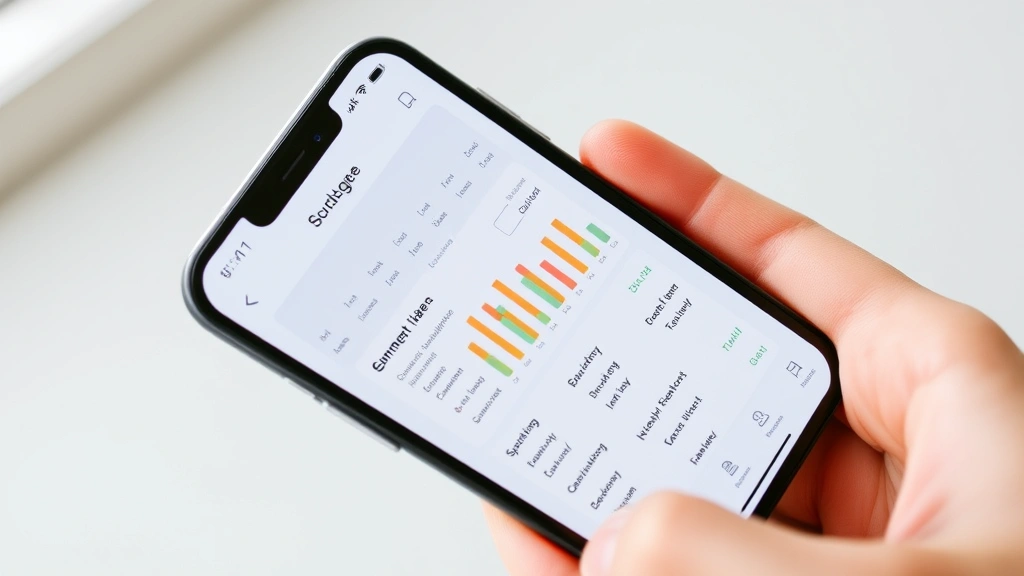
Building a Budget That Actually Works
Now that you know where your money goes, it’s time to build a plan that’ll actually stick. Start with your monthly income (after taxes), then subtract your non-negotiables: rent or mortgage, insurance, minimum debt payments, utilities, and groceries. These are the things that keep a roof over your head and keep you functioning.
What’s left is your discretionary money, and this is where you get to make choices based on your values. Maybe you love traveling more than you love having a fancy apartment. Maybe you’d rather spend money on hobbies than clothes. There’s no “right” answer here—it’s about what matters to you.
If you’re currently spending more than you make, you’ve got some decisions to make. You can either increase your income or decrease your expenses. Both are valid, and honestly, most people end up doing a combination of both. Consider whether you could pick up a side gig, ask for a raise, or cut back on areas that don’t align with your priorities. When you’re avoiding common budget mistakes, this becomes easier.
Here’s a practical approach: use the envelope method, but digitally. Set up separate savings accounts or sub-accounts for different spending categories. When money comes in, you immediately allocate it to these buckets. This makes it impossible to accidentally spend your rent money on something else.
The 50/30/20 Rule and Other Budget Frameworks
If you’re starting from scratch and need a framework, the 50/30/20 rule is a solid place to start. Here’s how it breaks down:
- 50% for needs: Housing, utilities, groceries, transportation, insurance—the stuff you have to pay for to function
- 30% for wants: Entertainment, dining out, hobbies, shopping, travel—the fun stuff that makes life enjoyable
- 20% for savings and debt repayment: Emergency fund, retirement, paying down debt
The beauty of this framework is that it’s flexible. If you live in an expensive city where 50% of your income barely covers housing, adjust it. Maybe your breakdown is 60/25/15. The point isn’t to hit these numbers exactly—it’s to have a structure that feels balanced.
Another popular approach is zero-based budgeting, where every dollar gets assigned a job before the month starts. You allocate all your income across categories so that income minus expenses equals zero. This forces intentionality but can feel restrictive if you’re not ready for that level of control.
Some people prefer the pay-yourself-first method, where you automatically transfer money to savings the moment you get paid, then budget with what’s left. This works beautifully if you’re trying to build wealth because you’re not relying on willpower to save—it’s automatic.
Automating Your Money So You Don’t Have To
Here’s a secret: the best budget is one you don’t have to think about constantly. Automation is your friend. Set up automatic transfers on payday that handle your bills, savings, and debt payments before you even see the money in your checking account.
This serves two purposes: first, it ensures your priorities get funded before you’re tempted to spend the money on something else. Second, it removes the emotional decision-making from the equation. You’re not sitting there wondering if you “feel like” paying your electric bill this month—it just happens.
For variable expenses like groceries or entertainment, you can still set spending limits and track them, but the big stuff should be on autopilot. Many people find that automating their finances actually reduces financial stress because they know things are getting handled.
If you’re working on adjusting your budget when life happens, having automation set up makes it easier to adjust just a few key transfers rather than managing everything manually.
Adjusting Your Budget When Life Happens
Life isn’t static, and neither should your budget be. You’ll get a raise, face unexpected expenses, have a medical emergency, or your priorities will shift. A good budget is flexible enough to handle these changes without falling apart completely.
Set a monthly check-in (maybe the first Sunday of each month?) where you spend 15 minutes reviewing what happened financially and adjusting for the month ahead. Did you spend way more on groceries than expected? Less on entertainment? Are there changes coming up that you need to plan for?
When something major changes—like a job loss or significant income increase—you might need to rebuild your budget more substantially. That’s not failure; that’s just life. The framework stays the same; the numbers just shift.
Don’t be afraid to experiment. If your budget isn’t working after a month or two, change it. Try a different spending category breakdown, use different tools, or adjust your priorities. You’re not locked in—this is your system, and it should work for you.
Common Budget Mistakes (And How to Avoid Them)
Learning from others’ mistakes can save you time and frustration. Here are the biggest budget pitfalls:
- Being too restrictive: If your budget feels like punishment, you’ll abandon it. Build in room for things you actually enjoy.
- Forgetting irregular expenses: Car insurance, annual subscriptions, holiday gifts—these derail budgets because people forget to account for them. Divide annual expenses by 12 and set that aside monthly.
- Not tracking spending: You can’t manage what you don’t measure. Even with a budget, check in on your actual spending regularly.
- Underestimating “miscellaneous”: Those small purchases add up. Be honest about how much you actually spend on things that don’t fit neat categories.
- Ignoring your budget after you create it: A budget you never look at is useless. Schedule regular check-ins so it stays relevant.
- Not accounting for financial goals: Whether it’s paying down debt, building an emergency fund, or saving for something big, your goals should be part of your budget, not an afterthought.

The best thing you can do is start small. Pick one area of your finances to get under control first. Maybe it’s tracking your spending, or maybe it’s automating your bill payments. Once that becomes habit, add another piece. Budgeting isn’t an all-or-nothing game—it’s a skill you build over time.
If you’re dealing with significant debt, you might want to explore resources from the Consumer Financial Protection Bureau or work with a nonprofit credit counselor. And if you’re looking to build real wealth, learning about different budget frameworks is just the beginning—you’ll eventually want to understand investing, retirement planning, and long-term financial strategy.
Remember: you’re not behind, you’re not bad with money, and you absolutely can figure this out. Millions of people have gone from financial chaos to actual control using the same strategies we’ve talked about here. The fact that you’re reading this means you’re already on your way.
FAQ
How often should I review my budget?
At minimum, monthly. Many people find that a weekly 10-minute check-in keeps them on track without feeling obsessive. When you’re first starting, more frequent check-ins help you spot patterns and stay motivated.
What if my income varies month to month?
Base your budget on your lowest expected monthly income, then treat anything extra as bonus money to put toward savings or debt. This keeps you from overspending in high-income months and struggling in low-income months.
Should I use an app or a spreadsheet?
Whatever you’ll actually use. Apps like YNAB or Mint work great for some people; others prefer simple spreadsheets. The tool matters less than your commitment to tracking. Try a few and see what sticks.
What’s the first thing I should cut if I’m overspending?
Look at subscriptions and recurring charges first—they’re usually the easiest to cut and add up quickly. Then evaluate discretionary spending (dining out, entertainment) rather than trying to cut necessities.
How much should I have in an emergency fund?
Aim for 3-6 months of essential expenses. Start with $1,000 as your initial emergency fund, then build from there. Investopedia has great resources on emergency fund strategies.
Can I budget and still have fun?
Absolutely. A good budget includes money for things you enjoy. If your budget doesn’t have room for fun, it’s too restrictive and you’ll quit. The goal is balance, not deprivation.