
Let’s be real—talking about money can feel awkward, especially when you’re trying to figure out where all your cash is actually going each month. You’re not alone if you’ve looked at your bank account and thought, “Wait, where did that money come from?” or “How am I already out of money again?” It happens to literally everyone, and the good news is that understanding your money flow isn’t some mysterious skill reserved for finance bros in suits. It’s actually pretty straightforward once you break it down.
The truth is, most people don’t fail at managing money because they’re bad with numbers—they fail because they’ve never actually sat down and tracked where their money goes. It’s like trying to lose weight without knowing how many calories you’re eating. You might make random changes and hope something sticks, but you’re basically flying blind. Once you know your actual spending patterns, though? That’s when everything changes. You go from feeling helpless to actually having control.
In this guide, we’re going to walk through exactly how to understand your money flow, why it matters, and what to do once you’ve figured it out. No judgment, no shame—just practical steps you can take starting today.
What Money Flow Actually Means
Money flow is basically the journey your money takes from when it lands in your account to when it gets spent, invested, or saved. It’s the difference between your income coming in and your expenses going out. Some people call it cash flow, but we’re talking about the same thing—understanding the rhythm of your money.
Think about it like this: if money is water, your income is the tap turning on, and your expenses are the drain. Money flow is what happens in between. Are you filling up a bucket? Letting it overflow? Is it leaking out through tiny holes you don’t even notice? That’s what we’re trying to figure out.
Most people have a vague idea of what they spend money on—rent, groceries, that coffee habit—but they don’t actually know the numbers. They might think they spend $200 a month on dining out when it’s actually $400. They might not realize they’re paying for three streaming services they forgot about. These aren’t character flaws; they’re just blind spots. And blind spots are fixable once you shine a light on them.
When you understand your money flow, you’re not just tracking numbers on a spreadsheet. You’re getting real insight into your life. Your spending tells a story about your values, your habits, and your priorities. Sometimes that story aligns with what you actually want, and sometimes it doesn’t. Either way, knowing the truth is the first step to making changes.
Why Tracking Your Money Matters More Than You Think
Here’s the thing that most financial advice gets wrong: it assumes you already know where your money’s going. But you probably don’t, and that’s not a personal failure—it’s just how our brains work. We’re terrible at remembering small transactions, and we’re even worse at adding them up mentally.
When you start tracking your spending, a few things happen almost immediately. First, you get honest data instead of guesses. Second, you become aware of patterns you couldn’t see before. Third, and this is the powerful part, you start making better decisions just by paying attention. There’s actually research on this—people who track their spending tend to spend less, not because they’re restricting themselves, but because awareness alone changes behavior.
Tracking also helps you build a sustainable budget that actually works for your life instead of some generic template. It shows you where you have flexibility and where you don’t. Maybe you can’t cut your rent, but you could save $100 a month by being intentional about groceries. Or maybe your entertainment spending is reasonable, but your “miscellaneous” category is a black hole.
Beyond just saving money, understanding your cash flow helps you prepare for the unexpected. When you know exactly how much money comes in and goes out each month, you can figure out how much you could realistically put toward an emergency fund. You can also spot problems early—like if your expenses are creeping up faster than your income, you’ll notice before you’re in crisis mode.
How to Track Your Spending Like a Pro
Okay, let’s get practical. There are a few ways to track your spending, and the best method is the one you’ll actually stick with.
Option 1: Apps and Software
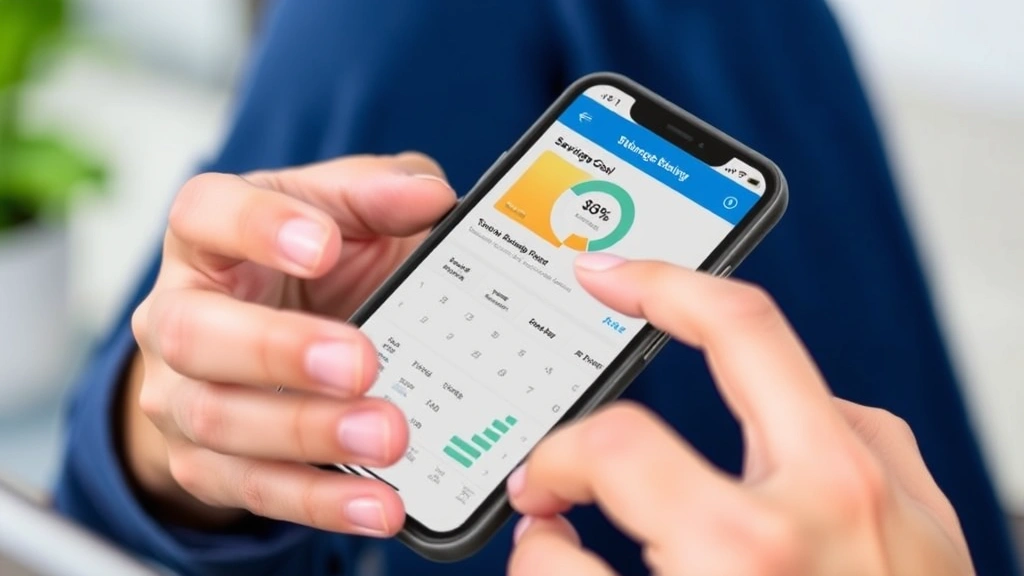
Apps like Mint, YNAB (You Need A Budget), or even your bank’s built-in tools can automatically categorize transactions for you. The advantage? It’s mostly hands-off. The disadvantage? Sometimes the categorization is wrong, and you might not feel as connected to your money. But honestly, if an app is what gets you to actually track your spending, it’s the right choice. Even imperfect tracking beats no tracking.
Option 2: Spreadsheet
Some people like the control of a spreadsheet. You can set it up however you want, and there’s something about manually entering transactions that makes the numbers stick in your brain. It takes more time, but it also creates more awareness. NerdWallet has some solid templates if you want to start with a framework rather than building from scratch.
Option 3: The Envelope Method (Digital or Physical)
This is the old-school approach where you allocate specific amounts of money to different categories and literally (or digitally) put money in “envelopes.” Once the envelope’s empty, you stop spending in that category. It’s extreme but incredibly effective if you struggle with impulse spending.
Here’s what matters most: pick a system, commit to it for at least one month, and be honest about every purchase. Include the small stuff—the $3 coffee, the $2 vending machine snack, everything. Those little expenses add up fast, and they’re usually where people find their biggest surprises.

Categorizing Your Expenses
Once you’re tracking spending, you need to organize it into categories. This isn’t about being rigid; it’s about seeing patterns. Here’s a basic framework, but adjust it to match your life:
- Housing: Rent or mortgage, property taxes, insurance, maintenance
- Utilities: Electric, water, gas, internet
- Transportation: Car payment, gas, insurance, public transit, maintenance
- Food: Groceries and dining out (separate these—they tell different stories)
- Insurance: Health, auto, renters/homeowners (beyond what’s listed above)
- Debt payments: Credit cards, student loans, personal loans
- Personal care: Haircuts, gym, toiletries
- Entertainment: Streaming services, hobbies, concerts, games
- Subscriptions: Apps, memberships, recurring charges
- Miscellaneous: Everything else (this should be your smallest category)
Pro tip: if your miscellaneous category is huge, you’re not breaking things down enough. That’s where money gets lost. Spend a few weeks digging into it and creating subcategories. You might find $50 a month going to things you totally forgot about.
The reason this matters is that different categories require different strategies. You probably can’t easily cut housing costs, but you might be able to reduce dining out by half. When you see the categories clearly, you can make strategic decisions about where to focus your energy.
Finding Your Money Leaks
A money leak is spending that doesn’t align with your values. It’s not necessarily wasteful—it’s just not intentional. Common leaks include:
- Subscriptions you forgot about: That $12.99 monthly charge for something you haven’t used in six months. Check your credit card statement for recurring charges.
- Impulse purchases: Small purchases that feel insignificant individually but add up fast. That’s why tracking matters.
- Convenience spending: Paying a premium for convenience—delivery fees, buying individual items instead of in bulk, using ATMs that charge fees.
- Eating out: This is usually the biggest leak for people who otherwise feel like they don’t overspend. Lunch out a few times a week adds up to hundreds per month.
- Unused memberships: Gym memberships you don’t use, apps you don’t open, services you signed up for and forgot about.
Here’s the thing about leaks: they’re not character flaws. They’re just inefficiencies in your system. Once you spot them, you can fix them. You don’t have to cut everything—just the stuff that doesn’t matter to you. If that $15 streaming service brings you genuine joy, keep it. But if you’re paying for something out of habit? That’s an easy fix.
When you’re looking for leaks, also check your accounts for duplicate charges or unauthorized subscriptions. It happens more often than you’d think, and you might have money going somewhere you didn’t even authorize.
Creating a Sustainable System
Here’s where most people mess up: they find all their leaks, get excited, cut everything, and then burn out two weeks later because the system is too restrictive. Instead of that, let’s build something sustainable.
Start by reviewing your last three months of spending. Calculate your average monthly income and average monthly expenses. The gap between those two numbers is your breathing room—that’s what you have to work with. Now, before you make any changes, ask yourself: “What am I actually willing to do differently?”
If you love coffee and you’re currently spending $120 a month on it, maybe the goal isn’t to cut it to zero. Maybe it’s to cut it to $60 by making coffee at home most days and treating yourself to the fancy stuff twice a week. That’s sustainable. That’s a change you can actually stick with.
Next, set up automatic systems to make good choices easier. Have your bank automatically transfer money to savings on payday before you even see it. Set up autopay for bills so you’re not manually paying them (and potentially forgetting). Use separate accounts for different goals if it helps you psychologically.
The goal is to make changes stick without requiring willpower every single day. Willpower is finite. Systems are forever.
Making Real Changes Stick
Understanding your money flow is the foundation, but the real work is making changes that last. Here’s how:
Start small. Don’t try to overhaul your entire financial life at once. Pick one or two leaks to fix this month. Maybe it’s canceling unused subscriptions and meal prepping instead of eating out for lunch. Once those changes feel normal, tackle the next thing.
Track progress, not perfection. Some months you’ll spend more than you planned. That’s normal. What matters is the overall trend. If you’re generally moving in the right direction, you’re winning.
Celebrate wins. When you successfully cut spending in a category or hit a savings goal, acknowledge it. You’re doing hard work—the emotional part of changing money habits is legitimately difficult. Give yourself credit.
Revisit regularly. Your money flow isn’t static. Life changes, income changes, priorities change. Review your spending quarterly and adjust as needed. What worked six months ago might not work now, and that’s fine.
Remember your why. You’re not tracking spending and cutting expenses just to have a smaller number in your account. You’re doing this because financial stability feels good. Because you want options. Because you don’t want to lie awake at night worried about money. Keep that in mind when the changes feel hard.
One more thing: if you’re dealing with debt, understanding your money flow becomes even more critical. You can’t create a real debt payoff plan without knowing exactly what you’re working with. Check out resources from the Consumer Financial Protection Bureau for specific guidance on managing debt while building better money habits.
Also, if your situation is complicated—maybe you’re self-employed, have irregular income, or are managing a household with multiple earners—you might benefit from talking to a certified financial planner. They can help you create a personalized system that works for your specific circumstances.
FAQ
How often should I track my spending?
At minimum, weekly. Most people find it helpful to check in daily or a few times a week, especially when they’re first starting out. Once you’ve got a solid month or two of data and your system is in place, you can probably move to monthly reviews. But if you find yourself slipping back into old habits, increase the frequency again.
What if my income is irregular?
Track your average monthly income over the past year, then budget conservatively based on that. Put any income above the average into a buffer account for months when you earn less. This takes more planning, but the same principles apply—you still need to know where your money goes.
Should I cut everything fun out of my budget?
Absolutely not. A budget you hate won’t last. Build in money for things that bring you joy. The key is being intentional about it instead of wondering where it went. If you love dining out, budget for it. If you love travel, save for it. Just do it on purpose.
What’s the best app for tracking spending?
Investopedia reviews budgeting apps regularly, and honestly, the best one is whichever one you’ll actually use. Try a few free versions and see what feels right.
How long does it take to see results?
You’ll see awareness shift in a week or two. Real behavioral change usually takes 4-6 weeks. Significant financial changes (like paying off debt or building savings) take months or years. Be patient with yourself.