
Let’s be real—most of us have looked at our bank account at the end of the month and wondered where all our money went. It’s like watching sand slip through your fingers, except the sand is your paycheck and you’re not entirely sure what happened. The good news? You’re not broken, and your money isn’t cursed. You just might need a clearer picture of where everything’s actually going.
That’s where expense tracking comes in. I know, I know—it sounds boring and tedious, like something your accountant uncle would suggest. But here’s the thing: tracking your expenses isn’t about punishment or deprivation. It’s about getting honest with yourself so you can make better choices. Think of it like fitness tracking for your wallet. You wouldn’t try to get in shape without knowing how many calories you’re eating, right? Same principle applies to your money.
The cool part? Once you actually see where your money’s going, you’ll probably find pockets of cash you didn’t even realize you were losing. And then you can decide what matters most to you. Maybe that’s finally taking that trip, building an emergency fund, or just feeling less anxious about money. Let’s dig into how to make this work.
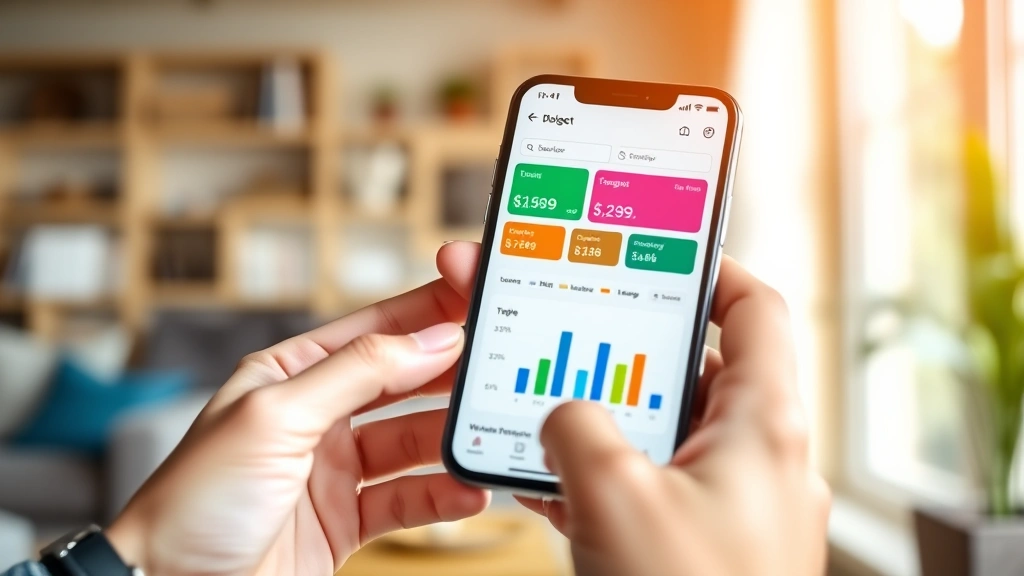
Why Tracking Expenses Actually Matters
Here’s something that might surprise you: most people who track their expenses end up spending less without feeling deprived. It’s not magic—it’s just awareness. When you write down (or log) that $6 coffee, you start noticing the pattern. Five coffees a week? That’s $260 a month. Over a year, that’s over $3,000. Suddenly, that coffee habit doesn’t feel invisible anymore.
But expense tracking does more than just highlight guilty pleasures. It gives you actual data about your financial life. You’ll see how much you’re really spending on groceries, how your dining-out costs stack up, and where your subscription services are hiding. This data is incredibly powerful because it lets you make informed decisions instead of just guessing.
There’s also a psychological component here. When you’re aware of where your money’s going, you feel more in control. Instead of money feeling like something that happens to you, it becomes something you’re actively managing. That shift—from passive to active—changes everything. You start thinking about purchases differently. You ask yourself, “Do I actually want this, or do I just want the feeling it gives me?”
Plus, expense tracking is the foundation for literally everything else in personal finance. You can’t set up a realistic budget without knowing what you actually spend. You can’t identify opportunities to save without seeing where the waste is. You can’t make progress toward financial goals without understanding your baseline. Tracking isn’t the destination—it’s the map.

Choosing Your Tracking Method
The best tracking method is the one you’ll actually use. Seriously. If you hate apps, a spreadsheet might be your thing. If you’re not a spreadsheet person, there’s an app for that. Let’s look at your options:
- The Envelope Method (Digital or Physical): This is old-school budgeting that actually works. You allocate a certain amount to each category (groceries, entertainment, transportation) and spend only what’s in that “envelope.” Some people literally use envelopes. Others use apps that mimic this system. It’s incredibly effective because it creates a hard stop—when the money’s gone, it’s gone.
- Spreadsheet Tracking: If you like control and customization, a simple spreadsheet can be powerful. You can create categories, set spending limits, and track trends over time. The downside? It requires discipline to update it regularly, and it’s not automated.
- Banking App Integration: Many banks now let you categorize transactions automatically. You can see spending by category right in your app. The upside: it’s effortless. The downside: categories might not align perfectly with how you think about money.
- Dedicated Budgeting Apps: Apps like YNAB (You Need A Budget), Mint, or EveryDollar sync with your bank accounts and do a lot of the heavy lifting. They categorize expenses, send alerts, and show you trends. These are great if you want automation with some guidance.
My recommendation? Start with whatever feels easiest. You can always switch methods later. The goal is to build the habit first, optimize the system second.
Setting Up Your System
Okay, let’s get practical. Here’s how to actually set this up without it becoming overwhelming:
Step 1: Identify Your Major Spending Categories
Don’t go crazy with categories. You want enough to be useful but not so many that tracking becomes tedious. Here’s a solid starter list:
- Housing (rent/mortgage)
- Utilities
- Transportation (car payment, gas, public transit)
- Groceries
- Dining Out
- Subscriptions
- Insurance
- Debt Payments
- Entertainment
- Personal Care
- Miscellaneous
You can refine these later, but this gives you a framework to start.
Step 2: Connect Your Accounts (If Using Apps)
If you’re using a digital system, link your bank accounts, credit cards, and other accounts where you spend money. This makes tracking automatic and removes the friction of manual entry.
Step 3: Set Spending Limits
This is where you get real about what you can actually afford. Look at your income, subtract your non-negotiables (housing, utilities, debt payments), and see what’s left. That’s your discretionary spending pool. Divide it among your categories based on your priorities. If you want help with this step, consider using a budgeting framework like the 50/30/20 rule—50% for needs, 30% for wants, 20% for savings and debt.
Step 4: Track Everything
For at least the first month, track every single purchase. Yes, every coffee, every snack, every dollar. This is your baseline. You need to see the reality before you can change it. After a month, you’ll have real data about your spending patterns.
Finding the Leaks in Your Budget
Once you’ve been tracking for a month or two, look for patterns. This is where the real insights come from. Here’s what to look for:
Subscription Creep
This is sneaky. You signed up for that streaming service in January, that fitness app in March, and that meal kit in May. Each one seemed harmless at $10-15 a month. But together? That’s $180+ a year on stuff you might not even use. Go through your subscriptions and honestly assess which ones bring value to your life. Cancel the rest.
Discretionary Spending Categories
Look at dining out, entertainment, and shopping. Are these aligned with your values? If you’re spending $400 a month on restaurants but you’re stressed about money, that’s worth examining. You might realize you actually love cooking and would be happier (and richer) eating at home more. Or you might realize dining out is genuinely important to you and that’s fine—just own it and adjust other categories.
Seasonal Patterns
Some spending is predictable (holidays, back-to-school, annual insurance premiums). When you see these coming, you can prepare instead of being blindsided. This is actually where building an emergency fund and sinking funds become really helpful.
The “Miscellaneous” Category
If you’re dumping a lot into miscellaneous, dig deeper. What’s actually in there? Vague categories hide spending patterns. Break it down and see what’s really going on.
Making Adjustments That Stick
Finding leaks is great, but the real work is changing behavior. Here’s how to make it stick:
Make One Change at a Time
If you try to overhaul everything at once, you’ll burn out. Pick one area where you’re bleeding money and tackle it. Maybe it’s meal prep instead of takeout. Or canceling unused subscriptions. Once that becomes a habit (usually takes about 3-4 weeks), move to the next thing.
Understand Your Spending Triggers
Are you stress-shopping? Bored-scrolling into purchases? Buying things because you “deserve” a treat after a rough day? Once you understand your triggers, you can address them. Maybe you need a better stress-relief strategy. Maybe you need to delete shopping apps from your phone. Maybe you need to build a small “treat” budget you actually enjoy guilt-free.
Automate What You Can
Don’t rely on willpower. Set up automatic transfers to savings on payday. Automate bill payments so you never miss a due date. Use apps that round up purchases to the nearest dollar and save the difference. The less decision-making required, the better.
Celebrate Small Wins
Did you pack lunch four days this week instead of buying it? That’s a win. Did you cancel three subscriptions you weren’t using? That’s a win. These things matter. They build momentum and reinforce the habit.
Tools and Apps That Help
If you’re looking for specific tools, here are some solid options:
- YNAB (You Need A Budget): This is the gold standard for intentional budgeting. It’s not free, but it’s worth it if you’re serious. The method is based on giving every dollar a job, which is incredibly empowering.
- Mint (now part of Credit Karma): Free, automatic categorization, good visualizations. It’s less prescriptive than YNAB but easier to get started with.
- EveryDollar: Similar philosophy to YNAB with a simpler interface. Good if you want structure without the learning curve.
- Google Sheets or Excel: Free, totally customizable, and you’re in control. Perfect if you like spreadsheets.
- Your Bank’s App: Honestly, many banks now have solid built-in budgeting tools. Check what your bank offers before paying for something separate.
The Consumer Financial Protection Bureau also offers free budgeting resources if you want guidance without the sales pitch.
Here’s the thing about tools: they’re just tools. The real power comes from your commitment to understanding your money. The fanciest app won’t help if you don’t actually use it. The simplest spreadsheet will transform your life if you engage with it consistently.
FAQ
How often should I review my expenses?
Weekly is ideal for catching patterns and staying accountable. Monthly reviews are the minimum—this is when you assess whether you’re on track with your limits. Quarterly reviews help you spot bigger trends and adjust your strategy.
What if I overspend in a category one month?
Don’t panic. One month doesn’t define your overall pattern. Look at what happened. Was it a one-time thing or a sign that your limit is too low? If it’s a pattern, you might need to adjust your budget. If it’s a one-off, just move forward. Budgeting isn’t about perfection—it’s about progress.
Should I track cash spending differently?
Cash is actually easier to track because you see it leaving your hands. Keep receipts or write down cash purchases in your phone. The key is capturing it before you forget. Some people use the envelope method specifically for cash because it forces awareness.
Is it bad to have a large “discretionary” category?
Not inherently. If you have money left after covering needs and savings, how you spend it is your call. The point is being intentional about it. If you’re allocating $300 a month to “fun stuff” and you’re spending $300 on fun stuff, you’re actually on budget. The problem is when discretionary spending creeps up because you’re not paying attention.
How do I handle shared expenses with a partner?
Have the conversation. Some couples split everything 50/50. Others split proportionally based on income. Some pool everything. There’s no “right” way—just the way that feels fair to both of you. Bankrate has good resources on managing money as a couple. The key is being transparent and making sure both people feel heard.
What if tracking makes me anxious?
That’s actually normal, especially at first. Facing your money reality can feel uncomfortable. But here’s what usually happens: that anxiety decreases once you see that you’re actually in control. You realize the numbers aren’t as bad as you feared, or you realize what needs to change and can make a plan. The anxiety usually comes from uncertainty, not from the actual tracking. Stick with it for a month and see how you feel.
The bottom line? Expense tracking isn’t about being cheap or depriving yourself. It’s about being intentional with the money you have so you can build the life you actually want. And that’s worth the effort.