
Let’s be real—if you’ve ever found yourself at the end of the month wondering where all your money went, you’re not alone. That feeling of watching your paycheck disappear into thin air is one of the most frustrating parts of adulting. But here’s the thing: it doesn’t have to be this way. Understanding where your money’s actually going is the first step toward taking control of your finances, and it’s way less complicated than you might think.
The truth is, most people don’t struggle with earning money—they struggle with keeping track of it. Your brain wasn’t wired to remember every coffee purchase or streaming subscription, which is exactly why so many of us end up feeling lost. The good news? Once you get clear on your spending patterns, everything gets easier. You’ll make better decisions, stress less, and actually start building the financial life you want. Let’s dig into how to make that happen.
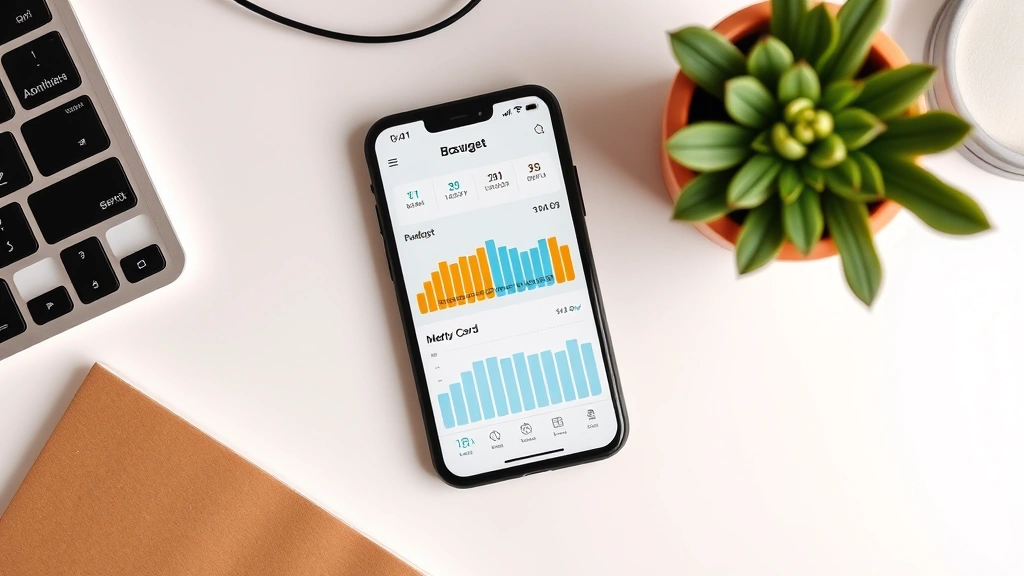
Why Tracking Spending Matters More Than You Think
Here’s something most financial advice gets wrong: they tell you to budget without first showing you what you’re actually spending. It’s like trying to lose weight without knowing how many calories you’re eating. You need the data before you can make meaningful changes.
When you track your spending, you’re not just creating a list of transactions—you’re building awareness. That awareness is what changes behavior. Studies show that people who track their spending end up saving significantly more money without feeling like they’re sacrificing. Why? Because you’re making conscious choices instead of unconscious ones.
Tracking also helps you identify patterns you’d never notice otherwise. Maybe you’re spending $200 a month on food delivery without realizing it. Perhaps your “quick” shopping trips are costing you hundreds. These aren’t character flaws—they’re just blind spots. Once you see them, you can address them.
Another huge benefit: tracking gives you concrete data for making decisions. Instead of guessing about whether you can afford something, you’ll actually know. You’ll understand your real financial situation, which means you can create a realistic budget that you’ll actually stick to.

The Psychology Behind Money Leaks
Money doesn’t just vanish—it leaks out through small holes you probably don’t even notice. These aren’t big purchases; they’re the dozens of tiny ones that add up to hundreds or thousands each year.
The biggest culprit? Subscriptions. You signed up for that streaming service three years ago, and it’s still charging you every month. Then there’s the gym membership you haven’t used since January, the premium version of that app, the podcast hosting service. Each one seems harmless—maybe $10 or $15 a month—but together they’re draining your account.
Then there’s the “just this once” phenomenon. You tell yourself you’ll make coffee at home, but you grab a latte on the way to work. You planned to cook dinner, but you’re tired so you order takeout. These individual decisions feel small, but they’re the biggest money leaks for most people. A $6 coffee five times a week is $120 a month. That’s $1,440 a year.
What makes this tricky is that your brain doesn’t register these small purchases the same way it does big ones. You feel a $500 purchase immediately, but fifty $10 purchases? They fly under the radar. This is why tracking is so powerful—it makes the invisible visible.
Understanding this psychological component also means you won’t judge yourself too harshly. You’re not bad with money; you’re just human. Your brain is literally wired to underestimate small expenses. Knowing this, you can set up systems to counteract it.
Simple Methods to Track Your Spending
You don’t need anything fancy to start tracking. In fact, sometimes the simplest methods work best because you’ll actually use them.
The Receipt Method: This is old school but effective. Save every receipt and categorize them weekly. It takes maybe 15 minutes and forces you to see exactly what you’re buying. You’ll be surprised at how quickly this builds awareness.
The Spreadsheet Approach: If you like Excel, create a simple spreadsheet with columns for date, category, and amount. Spend 10 minutes each evening logging your purchases. It’s tedious but incredibly informative. Plus, you can create charts to visualize where your money’s going.
The Note-Taking Method: Keep a small notebook and jot down purchases throughout the day. Some people find this the most mindful approach because you’re literally writing down each expense, which makes you more aware of your spending in real-time.
The Envelope System: This is particularly powerful if you struggle with overspending in certain categories. Put cash in envelopes designated for different spending categories—groceries, entertainment, dining out. When the envelope’s empty, you’re done spending in that category for the month. It’s tactile and makes spending feel real in a way digital transactions don’t.
The key is choosing a method you’ll actually use. If you hate spreadsheets, don’t force yourself to use one. If you’re not a pen-and-paper person, that’s fine too. The best tracking system is the one you’ll stick with consistently.
Tools and Apps That Actually Work
If you prefer technology, there are excellent apps designed specifically for tracking spending. These tools can automatically categorize transactions and give you real-time insights into your finances.
Mint (now part of Intuit): This free app connects to your bank accounts and automatically tracks spending. It categorizes transactions, shows you where your money goes, and helps you set budgets. The dashboard gives you a clear picture of your financial habits.
YNAB (You Need A Budget): This is a paid app, but many people swear by it. It uses a “zero-based budgeting” approach where every dollar you earn gets assigned a purpose before you spend it. It’s more hands-on than Mint but incredibly effective for people who want to be intentional with money.
Personal Capital: Great if you want to track both spending and investments. It gives you a comprehensive view of your entire financial picture, which is helpful if you’re working on building wealth alongside controlling expenses.
Rocket Money (formerly Truebill): Focuses on finding subscriptions and helping you cancel ones you don’t use. It’s excellent for identifying those money leaks we talked about earlier.
These apps work best when combined with your bank’s own tools. Most banks now offer spending tracking features right in their apps, which is convenient since you’re already checking your account balance there anyway.
The important thing isn’t which tool you use—it’s that you’re consistently tracking. Even if you just check your bank account weekly and manually note the categories, you’re already ahead of most people.
Creating a Realistic Budget Framework
Once you’ve tracked your spending for a month or two, you’ll have real data to work with. This is when you can create a budget that actually reflects your life instead of some idealized version of it.
Start with the 50/30/20 rule as a framework, but customize it for your situation. This guideline suggests 50% of your after-tax income goes to needs, 30% to wants, and 20% to savings and debt repayment. If that doesn’t match your actual spending, that’s fine—adjust it.
Here’s what matters: your budget should be based on your actual spending patterns, not what you think you should be spending. If you’re currently spending 60% on needs, 35% on wants, and 5% on savings, your starting budget should reflect that reality. Then you can gradually shift toward a more balanced approach.
Break your budget into categories that make sense for your life. Common ones include housing, utilities, groceries, transportation, insurance, entertainment, dining out, subscriptions, and personal care. But add categories that matter to you. If you’re serious about reducing spending in certain areas, you need to track them separately.
Build in some flexibility. If your budget is so tight that there’s no room for spontaneity, you won’t stick to it. Most financial experts recommend having a “miscellaneous” or “flex” category for unexpected expenses and occasional splurges. This keeps your budget realistic and sustainable.
Review your budget monthly. The first month you track, you’re just collecting data. The second month, you can start making intentional adjustments. By month three, you’ll have a budget that actually works for your life.
Making Adjustments Without Feeling Deprived
This is where most budget attempts fail. People create a restrictive budget, feel deprived, and abandon it by February. Let’s talk about how to actually make sustainable changes.
First, don’t try to overhaul everything at once. Pick one or two categories where you want to reduce spending. Maybe it’s that daily coffee habit or your subscription services. Make changes slowly so your brain can adjust.
Second, replace behaviors instead of just removing them. If you’re cutting back on dining out, plan specific meals at home that you’re excited about. If you’re canceling subscriptions, find free alternatives you actually enjoy. The key is that you’re not just saying “no”—you’re redirecting that money toward something else.
Third, make changes automatic. This is huge. Set up automatic transfers to savings the day you get paid. Use apps that round up your purchases and save the difference. Schedule automatic payments for bills. When changes are automatic, you don’t have to rely on willpower.
Fourth, celebrate small wins. Saved $100 this month? That’s amazing. Stuck to your grocery budget? You’re crushing it. These small victories build momentum and make you more likely to stick with your plan.
Finally, remember why you’re doing this. Maybe you want to build an emergency fund, take a vacation, buy a home, or simply reduce financial stress. Keep that goal visible. When you’re tempted to overspend, remind yourself what you’re working toward.
The goal isn’t to never enjoy money—it’s to enjoy it intentionally. You want to spend on things that genuinely matter to you and stop wasting money on things that don’t.
FAQ
How long does it take to see results from tracking spending?
Most people notice increased awareness within the first week of tracking. You’ll see patterns emerge within a month. Actual behavior change typically takes 2-3 months of consistent tracking and intentional adjustments. Be patient with yourself—this isn’t about quick fixes; it’s about building sustainable habits.
What if I’m embarrassed about how much I’m spending?
This is completely normal, and honestly, it’s a sign that tracking will really help you. You’re not alone in being surprised by your spending habits. The beautiful thing about tracking is that awareness leads to change. Instead of feeling shame, view this as valuable information that’ll help you make better decisions going forward. Consider checking out resources from the Consumer Financial Protection Bureau for judgment-free financial guidance.
Should I track every single purchase?
Ideally, yes, especially when you’re starting out. Every purchase matters because small ones add up. However, if tracking everything feels overwhelming, start by tracking anything over $5 or $10. Once you get comfortable, expand to tracking everything. The more detailed you are, the clearer your picture will be.
What’s the best way to handle irregular expenses?
Irregular expenses like car maintenance, annual insurance, or holiday gifts often derail budgets. The solution is to divide the annual amount by 12 and set aside that amount each month. So if your car maintenance averages $1,200 yearly, put aside $100 monthly. When an expense comes up, it’s already accounted for.
Can I still enjoy life while tracking my spending?
Absolutely. Tracking spending doesn’t mean deprivation—it means intentionality. You can absolutely budget for entertainment, dining out, hobbies, and fun. The difference is that you’re making conscious choices instead of mindless ones. You might spend less overall, but you’ll enjoy your spending more because it aligns with your values.
How do I handle spending with a partner?
Communication is key. Sit down together and track your combined spending for a month without judgment. Discuss your money goals and values. Create a budget together that feels fair to both of you. Some couples combine all finances, while others keep separate accounts or use a hybrid approach. There’s no “right” way—just what works for your relationship. For couples-specific guidance, the Bankrate money management section has helpful articles.