
How to Stop Living Paycheck to Paycheck: A Real Money Plan That Works
You know that feeling when your paycheck hits your account and you’re already mentally spending it before it’s even there? Yeah, we’ve all been there. Living paycheck to paycheck isn’t a character flaw—it’s actually pretty common, even for people making decent money. The good news? You can absolutely break this cycle, and it doesn’t require a magic income boost or winning the lottery.
The truth is, most people stuck in paycheck-to-paycheck mode aren’t there because they’re bad with money. They’re there because nobody ever taught them the actual mechanics of how to build a financial cushion. This guide walks you through exactly how to do that—no judgment, no complicated financial jargon, just practical steps you can start today.
Why You’re Stuck in the Paycheck Cycle
Before we fix the problem, let’s understand why it happens. Paycheck-to-paycheck living usually comes down to one simple math problem: you’re spending everything you make (or close to it). Sometimes it’s because your income genuinely doesn’t cover your expenses—that’s real and we’ll address it. But often, it’s because you don’t actually know where your money’s going.
There’s also a psychological piece here. When you live paycheck to paycheck, you’re in constant survival mode. Your brain is literally stressed, which makes it harder to think clearly about money decisions. You end up making reactive choices instead of intentional ones. You skip the expensive coffee once, then cave and buy three the next week because you’re exhausted from the mental load.
The other big reason? Most people never learned the difference between having money and being able to keep money. You might make decent income, but if you don’t have systems in place to protect it, it just flows out. We’re going to change that.
Track Every Dollar for 30 Days
I know, I know—tracking money sounds boring and painful. But here’s the thing: you can’t fix what you don’t measure. Before you cut spending or create a budget, you need actual data about where your money goes.
For the next 30 days, write down or use an app to log every single purchase. Coffee, gas, groceries, subscriptions, everything. Don’t change your behavior yet—just observe. This isn’t about judgment; it’s about awareness.
After 30 days, categorize your spending. You’ll probably find some surprises. Most people discover they’re spending way more on subscriptions, eating out, or “miscellaneous” purchases than they realized. One client was shocked to find she spent $340 a month on coffee shop visits. That’s $4,080 a year.
This tracking phase is also when you’ll identify which expenses are truly necessary and which ones you’re just… doing. There’s a difference between “I need groceries” and “I buy groceries but also spend $200 monthly on takeout because I’m too tired to cook.” Both are food spending, but one is optional.
Build Your Emergency Fund First
Here’s where most paycheck-to-paycheck people get stuck: they try to tackle debt or invest before they have an emergency fund. Then something breaks—car repair, medical bill, job loss—and they’re right back where they started.
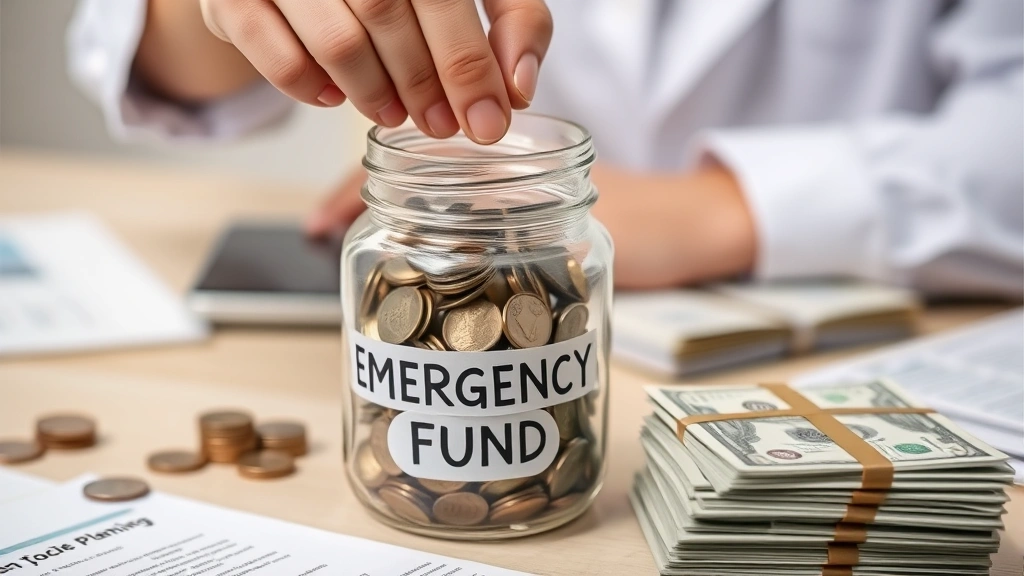
Your first priority is getting $1,000 in a separate savings account. Not in your checking account where you can “accidentally” spend it. A real savings account at a different bank if possible. This is your emergency fund starter pack, and it’s non-negotiable.
Why $1,000? Because most common emergencies cost less than that. Your car needs a repair, your dog needs a vet visit, your phone breaks—$1,000 covers it. You don’t touch this money for wants. You only touch it when something genuinely breaks or you lose income.
Once you have $1,000, you can breathe a little. You’re no longer one setback away from disaster. That psychological relief is huge. You can actually start thinking about the future instead of just surviving today.
After you’ve built your emergency fund, you can look at other financial goals. Learn more about creating a budget that actually works and how to cut spending strategically.

Cut Spending Without Feeling Deprived
This is where most financial advice fails people. Someone tells you to “cut spending” and suddenly you’re supposed to make your own laundry detergent and never eat out again. That’s not sustainable, and honestly, it’s miserable.
Real spending cuts come from identifying what you actually value versus what you’re just doing out of habit or pressure. Do you love your gym membership and use it? Keep it. Do you pay $15 a month and haven’t been in six months? Cancel it.
Here’s a practical approach: look at your tracking data and identify three categories where you overspend. Not the necessities—the discretionary stuff. For most people, this is food (eating out + delivery), subscriptions, and impulse shopping.
For food, you don’t need to cook every meal or never eat out. But maybe instead of eating out four times a week, you do it twice. Instead of delivery, you pick it up (saves the tip and delivery fee). Make one big meal on Sunday and eat it throughout the week. These aren’t restrictive; they’re just intentional.
For subscriptions, actually look at what you’re paying for. Netflix, Hulu, Disney+, gym, app subscriptions, specialty coffee clubs—add them up. You might find you’re paying $200+ for things you barely use. Keep the ones you genuinely enjoy, cancel the rest. You can always re-subscribe later.
For impulse shopping, create friction. Delete shopping apps from your phone. Unsubscribe from marketing emails. Wait 24 hours before buying anything over $20. These small barriers actually work.
The goal isn’t to live like a monk. It’s to spend intentionally on what matters and cut the stuff that’s just noise.
Create a Real Budget That Actually Works
Okay, so you’ve tracked your spending and identified cuts. Now you need a system to actually stick to it. That system is a budget, but not the kind that makes you feel trapped.
The best budget for paycheck-to-paycheck people is the 50/30/20 rule, adjusted for your reality:
- 50% needs: Housing, utilities, food, transportation, insurance—stuff you can’t avoid
- 30% wants: Entertainment, eating out, hobbies, fun stuff
- 20% savings/debt: Emergency fund, debt payoff, future goals
Here’s the thing though: this only works if your income actually supports it. If your needs are 70% of your income, you can’t force the 50/30/20 split. You work with what you have.
The real magic is this: decide your percentages based on your actual numbers, then automate your money so you don’t have to think about it every day. Set up automatic transfers to savings on payday. Automate bill payments. What’s left is what you have to spend on discretionary stuff.
Use a simple tool like a spreadsheet or a budgeting app (YNAB, EveryDollar, or even a Google Sheet works). The specific tool doesn’t matter—consistency does.
Automate Your Money to Make It Stick
This is the secret weapon. You know why automated savings works? Because you don’t have to rely on willpower every single day. You set it up once, and then your money does what you told it to do without your brain getting in the way.
Here’s the automation hierarchy:
- On payday, automatically transfer your emergency fund contribution to savings (even if it’s just $25)
- Automatically pay your bills (set them to auto-pay from checking)
- Automatically transfer any “extra” money (bonuses, side gigs, tax refunds) to savings
- Put your remaining spending money in a separate checking account if possible, so you’re not tempted by the big number in your main account
When you automate, you’re essentially paying yourself first. Your savings happens before you even see the money. This removes the decision-making and makes it actually stick.
This also connects to building your emergency fund because automation is how you actually build it. You can’t willpower your way to $1,000. You automate it.
Increase Your Income Strategically
Here’s the truth: if your expenses are genuinely higher than your income, you can’t cut your way out. You need more money coming in.
This doesn’t mean you need a new job (though that might be part of it). It means finding ways to increase your income without burning out. Some options:
- Side gigs: Freelancing, delivery driving, selling stuff you don’t use, tutoring. Even $200-300 extra per month makes a real difference.
- Asking for a raise: If you’ve been in your job a while and haven’t asked for a raise, ask. Document your contributions, research market rates, and have a conversation with your manager.
- Selling unused stuff: Go through your house and sell things you don’t use. This is one-time money, but it jumpstarts your emergency fund.
- Skill building: Learn something that pays more. This takes time, but if you’re stuck paycheck-to-paycheck long-term, investing in yourself (through free or cheap courses) can change your earning potential.
The key here is that increasing income should be about building stability, not just earning more to spend more. That’s the trap that keeps people stuck. You get a raise, your lifestyle inflates, and suddenly you’re still paycheck-to-paycheck at a higher income level.
Instead, when you increase income, use it to build your emergency fund or pay off debt. Lock in the new financial stability before you increase your lifestyle.
FAQ
How long does it take to stop living paycheck to paycheck?
It depends on your situation, but most people see real relief within 3-6 months of following these steps. You’ll get your $1,000 emergency fund, which immediately reduces stress. From there, it gets easier because you have a buffer. Some people take longer if they’re also paying off debt, and that’s okay. Progress beats perfection.
What if I can’t even save $25 per paycheck?
Then your income and expenses are out of alignment, and you need to focus on increasing income or making bigger cuts. Be honest about this. Look at increasing your income strategically. This might mean a side gig, asking for a raise, or making significant spending cuts. You can’t save your way out of an income problem—you need more money coming in.
Is it okay to still use credit cards while getting out of paycheck-to-paycheck mode?
If you’re using credit cards because you need them to cover expenses, no. That’s a sign your income is too low or your expenses are too high. Focus on getting your emergency fund first. Once you have $1,000 and your spending is aligned with your income, credit cards are fine for rewards and convenience—as long as you pay them off in full every month.
What about debt? Should I pay it off before saving?
Get your $1,000 emergency fund first. Then focus on high-interest debt (credit cards above 8% interest). Once those are gone, build your emergency fund to 3-6 months of expenses, then tackle other debt. The order matters because one emergency can derail your whole debt payoff plan if you don’t have a cushion.
How do I stay motivated when progress feels slow?
Celebrate small wins. You saved $50? That’s progress. You went a week without buying coffee? That’s progress. You identified where your money goes? That’s huge progress. Most people never even do that. Track your emergency fund growth visually—watch that number creep up. It’s motivating in a way that just “trying harder” never is.
External Resources: