
Let’s be real—if you’re reading this, you’ve probably had that moment where you look at your bank account and wonder where all your money went. It’s like financial magic, except the trick is on you. The good news? You’re not alone, and more importantly, you’re already taking the first step by asking the question. Understanding where your money actually goes is the foundation of everything else in personal finance, and it’s way more achievable than you think.
The truth is, most people spend money without really knowing it. A coffee here, a subscription there, some impulse shopping on your phone while you’re bored—and suddenly you’re wondering why you can’t seem to save anything. But here’s the thing: once you get honest about your spending patterns and create a system to track them, everything changes. You’ll feel more in control, less anxious, and genuinely surprised at how much money you can free up just by being intentional about where it goes.

Why Tracking Spending Actually Matters
When you’re not tracking your money, you’re essentially flying blind. You might think you’re doing fine until you suddenly can’t cover an emergency or you realize you’ve been spending $200 a month on things you can’t even remember buying. Tracking isn’t about restriction or punishment—it’s about awareness, and awareness is power.
Here’s what happens when you start tracking: you get data. Real, honest data about your habits. And once you have that information, you can make actual choices instead of just reacting to life. You’ll know exactly how much you’re spending on groceries versus dining out, how many subscription services are actually draining your account, and where you might be able to redirect money toward things that matter more to you.
The psychological benefit is huge too. Studies show that people who track their spending are significantly more likely to reach their financial goals. It’s not magic—it’s just that when you’re paying attention, you naturally make better decisions. You’ll start noticing patterns, like how you spend more when you’re stressed or how certain stores trigger impulse purchases. Understanding your triggers is half the battle.
If you’re serious about building wealth or even just getting your finances under control, tracking is non-negotiable. It’s the foundation for everything from creating a realistic budget to figuring out how much you can actually save each month. Without it, you’re basically trying to hit a target you can’t see.
The Hidden Costs Nobody Talks About
Here’s where it gets interesting. Most people focus on the obvious expenses—rent, car payments, groceries. But the real money drain is usually in the invisible spending. These are the expenses you don’t see coming because they’re small, recurring, or just tucked away in your accounts.
Subscription creep is one of the biggest culprits. You sign up for a streaming service, a fitness app, a meal delivery kit. They’re all like $10-15 a month, so they feel harmless. But if you’ve got 8-10 of these running, you’re looking at $100-150 a month you’re not even using. The average person has no idea how many subscriptions they’re paying for. Do a full audit right now—I’ll wait. Most people find at least $50-100 they can cut immediately.
Then there’s the convenience tax. Buying coffee instead of making it at home, paying for delivery instead of picking up your groceries, getting the premium version of apps you don’t really need. Individually, these seem small. But compound them over a month or year, and you’re talking about thousands of dollars. A $5 coffee five days a week is $1,300 a year. That’s a vacation, a decent emergency fund, or money toward your savings goals.
Don’t forget about fees. Bank fees, overdraft fees, late payment fees, ATM fees—these are the worst because they’re often avoidable. If you’re not using a bank that offers fee-free checking or you’re constantly hitting overdraft charges, you’re literally paying money just to have money. Getting a better account setup could save you hundreds annually.
And here’s one people really miss: inflation and lifestyle creep. As you make more money, your spending naturally increases. That’s normal, but it can sneak up on you. You get a raise and suddenly you’re eating out more, buying better clothes, upgrading your apartment. Before you know it, you’re making 20% more but saving 20% less because your lifestyle expanded to match your income.
Tools and Methods That Actually Work
The best tracking method is the one you’ll actually use consistently. Some people love spreadsheets, some people need apps, and some people do best with the old-school envelope method. There’s no wrong answer—just different approaches for different brains.
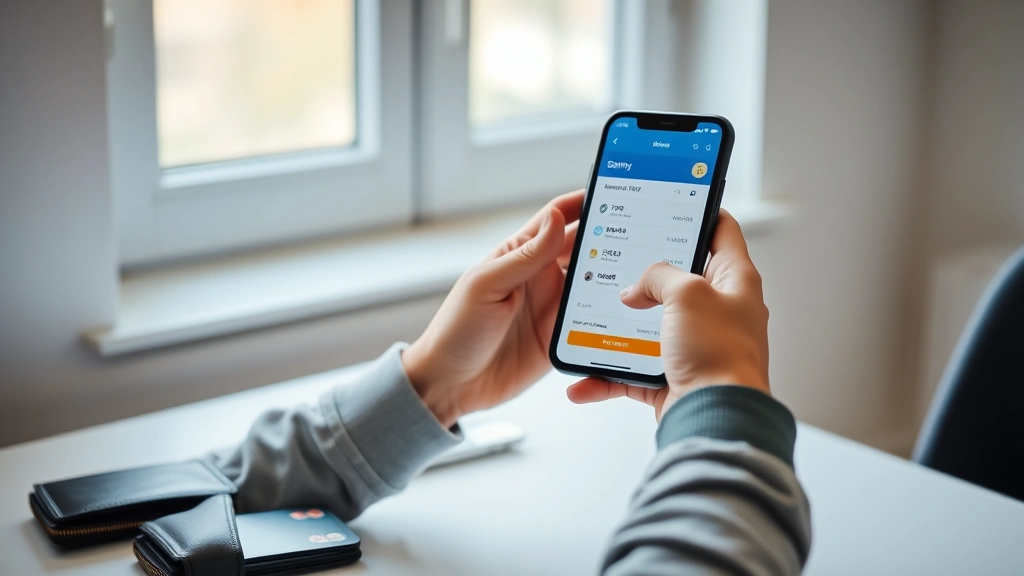
The app route is probably the easiest for most people. Apps like YNAB (You Need A Budget), Mint, or even just using your bank’s built-in tools can automatically categorize your spending and show you trends. The advantage is that everything syncs with your accounts, so there’s minimal manual work. You see real-time data about where your money’s going, and many apps send alerts when you’re approaching budget limits. The downside? Some feel invasive, and you might miss the intentionality of manually logging expenses.
The spreadsheet method requires more work, but there’s something powerful about manually entering every transaction. It forces you to confront your spending in a way that automatic tracking sometimes doesn’t. You can customize it however you want, and there’s zero privacy concern. The downside is that it’s easy to fall behind, and if you miss a week, you’ve lost the benefit.
The hybrid approach is what works for a lot of people: use an app or your bank’s categorization for the big picture, but also keep a simple spreadsheet or notebook for categories you want to track more closely. Maybe you’re trying to cut down on food spending, so you manually log every grocery trip and restaurant visit. Everything else goes in the app.
Whatever method you choose, here’s what matters: start simple. Don’t try to track every penny in 47 categories on day one. Start with 5-7 main categories (housing, food, transportation, entertainment, personal, utilities, everything else). Get comfortable with that, then refine. You can always dive deeper once you’ve got the habit.
Most financial experts, including resources from the Consumer Financial Protection Bureau, recommend reviewing your spending at least monthly. Set a recurring calendar reminder, grab a coffee, and spend 20 minutes looking at the data. It doesn’t need to be painful—just honest.
Building a Sustainable System
Tracking your spending is only useful if you stick with it. And sticking with it means building a system that works with your life, not against it.
Make it automatic where possible. Set up automatic transfers to savings so that money moves before you can spend it. Automate bill payments so you’re not manually tracking every one. Use apps that automatically categorize your spending. The less friction in the system, the more likely you’ll maintain it.
Schedule regular check-ins. Weekly is probably overkill for most people, but monthly is essential. Block 30 minutes on your calendar, review your spending, and celebrate the wins. Did you stay under budget in a category? Awesome. Did you find money to redirect to your emergency fund? Even better. These check-ins keep you engaged and motivated.
Build in flexibility. A budget that’s too rigid will fail. You need categories where you can have some wiggle room. If you absolutely love eating out, don’t budget zero for restaurants—budget what you can realistically stick to. This isn’t about deprivation; it’s about being intentional with your choices.
Connect it to your values. This is the real secret. When you connect your spending to what actually matters to you, tracking becomes meaningful instead of tedious. If you love travel, maybe you cut back on dining out so you can save for trips. If family is your priority, you might spend more on quality time and less on status symbols. When every dollar aligns with your values, you naturally stay engaged.
Consider working with a certified financial planner if you want professional guidance. They can help you build a system that works specifically for your situation and goals.
Common Mistakes to Avoid
People mess up tracking in predictable ways. Knowing what to avoid can save you months of frustration.
Mistake #1: Being too aggressive. You don’t need to cut spending to the bone. If you create a budget that’s unrealistic, you’ll abandon it in two weeks. Be honest about what you’ll actually stick to, and build from there.
Mistake #2: Tracking but not reviewing. If you’re just collecting data without looking at it, you’re wasting your time. The magic happens in the review, when you actually analyze the patterns and make decisions.
Mistake #3: Trying to do it all at once. Don’t try to overhaul your entire financial system in one weekend. Start with tracking. Once that’s solid, move to budgeting, then to debt payoff or saving. One thing at a time.
Mistake #4: Not accounting for irregular expenses. Car maintenance, annual insurance premiums, holiday gifts—these happen, but they’re easy to forget when you’re looking at monthly spending. Build them into your system so they don’t derail you when they come up.
Mistake #5: Shame spiraling. You’ll discover spending you’re embarrassed about. That’s normal. Instead of judging yourself, just use that information to make different choices going forward. This is a judgment-free zone.
The IRS and resources like NerdWallet have great guides on budgeting and tracking if you want to dive deeper into specific strategies for your situation.
FAQ
How long does it take to see results from tracking spending?
Most people notice something within the first month—usually surprise at where money actually goes. Real behavior change typically takes 3-4 months of consistent tracking. Stick with it through that period, and it becomes a habit.
What’s the best app for tracking spending?
It depends on your preferences. YNAB is fantastic if you want behavioral change and don’t mind paying for it. Mint (now part of Credit Karma) is free and user-friendly. Your bank’s app is always an option. Try a few and see what sticks.
Should I track cash spending?
Absolutely. Cash is actually the biggest blind spot for most people because there’s no record. Either get cash back at the register and log it, or use a debit card for everything. Some people find cash actually helps them spend less because they feel the money leaving.
Is it normal to go over budget?
Yes. Life happens. The goal isn’t perfection; it’s awareness and intentionality. If you consistently go over in a category, that’s data telling you to adjust your budget to reality.
How do I track spending across multiple accounts?
Most apps can connect to multiple accounts. If you’re using a spreadsheet, just add a column for the account name. The important thing is that all spending gets logged somewhere you review it regularly.
What about shared expenses with a partner?
Have a conversation about how you’ll track shared spending. Some couples combine finances completely, some keep them separate, and some do a mix. Whatever you choose, be transparent and regular about reviewing the numbers together.