
Table of Contents
Introduction
Let’s be honest—watching gas prices climb feels like watching your wallet get lighter in real time. Whether you’re filling up twice a week for your commute or cringing every time you pass a gas station, fuel costs have probably become one of those monthly expenses that makes you wonder where all your money goes. But here’s some good news: you have more control over your gas spending than you might think.
Your car’s thirst for fuel isn’t just about bad luck or an inefficient engine (though those don’t help). It’s actually influenced by a bunch of factors you can control—things like how you drive, how well you maintain your car, and even how you plan your trips. Take tire pressure, for example. Something as simple as keeping your tires properly inflated can boost your fuel economy significantly. Same goes for regular engine maintenance. Before we jump into the nitty-gritty of gas-saving strategies, though, it’s worth understanding how these savings fit into your bigger financial picture. If you’re looking to get your overall finances organized, checking out what a financial plan involves can help you see how cutting fuel costs connects to your broader money goals.
Here’s something that might surprise you: most drivers have no idea how much their driving habits actually cost them. Jackrabbit starts at green lights? That’s money flying out your tailpipe. Riding the brake in stop-and-go traffic? More wasted fuel. The crazy part is that small changes—like keeping a steady speed and planning routes to avoid traffic jams—can cut your gas consumption dramatically. And the benefits go beyond just saving money. You’ll arrive less stressed, your car will thank you, and you might even discover some scenic back roads you never knew existed. Speaking of planning and budgeting for life’s expenses (transportation being a big one), there’s some solid advice on strategic spending at how to budget for a wedding. The same principles apply whether you’re planning a big event or trying to tame your monthly fuel bill.
Now, if you’re in the market for a car, your fuel costs start way before you ever pull up to a pump. Choosing the right vehicle and negotiating a good price can set you up for years of reasonable gas expenses—or saddle you with a gas-guzzler that’ll drain your bank account. There’s some great insight on getting the best deal at tips for negotiating car prices. Plus, understanding your credit options can help you finance a more fuel-efficient car or refinance your current ride under better terms. It all connects—smart financial decisions create a ripple effect that includes everything from your monthly car payment to what you spend at the pump.
What You’ll Learn in This Guide
We’re going to walk through this together, covering everything from quick wins you can try today to longer-term strategies that’ll keep saving you money for years to come.
- Understanding Gas Consumption: Learn about the key factors influencing your fuel use and how to identify areas for improvement in your daily driving routine.
- Driving Habits to Save Gas: Discover effective driving techniques such as maintaining steady speeds, minimizing idling, and using cruise control to improve mileage.
- Vehicle Maintenance for Better Gas Mileage: Understand the importance of regular vehicle check-ups, proper tire inflation, and timely oil changes to enhance fuel efficiency.
- Planning and Alternative Options: Explore strategies like carpooling, route planning, and alternative modes of transportation that reduce gas consumption and expenses.
Ready to take control of your gas costs? We’ll start by figuring out why your car might be drinking more fuel than necessary. (Spoiler alert: it’s probably not just because gas stations are expensive.) You’ll learn some driving techniques that can start saving you money on your very next trip—no special equipment required, just some simple changes to how you handle the wheel and pedal.
Car maintenance might not sound thrilling, but it’s honestly one of the most powerful tools in your fuel-saving arsenal. We’re talking about the kind of basic upkeep that most people skip until something breaks—but when you stay on top of it, your car runs more efficiently and your wallet stays happier. Think of it as preventive medicine for your vehicle.
Finally, we’ll explore some planning strategies that go beyond just how you drive. Carpooling, route optimization, even knowing when to leave your car at home and walk or bike instead—these aren’t just good for the environment, they’re great for your budget too. And if you’re curious about how these savings might fit into your broader financial strategy, understanding basics like what a line of credit is could help you see the bigger picture. The goal here isn’t to turn you into someone who obsesses over every penny spent on gas—it’s to give you practical tools that make your money go further while keeping your life convenient and enjoyable.
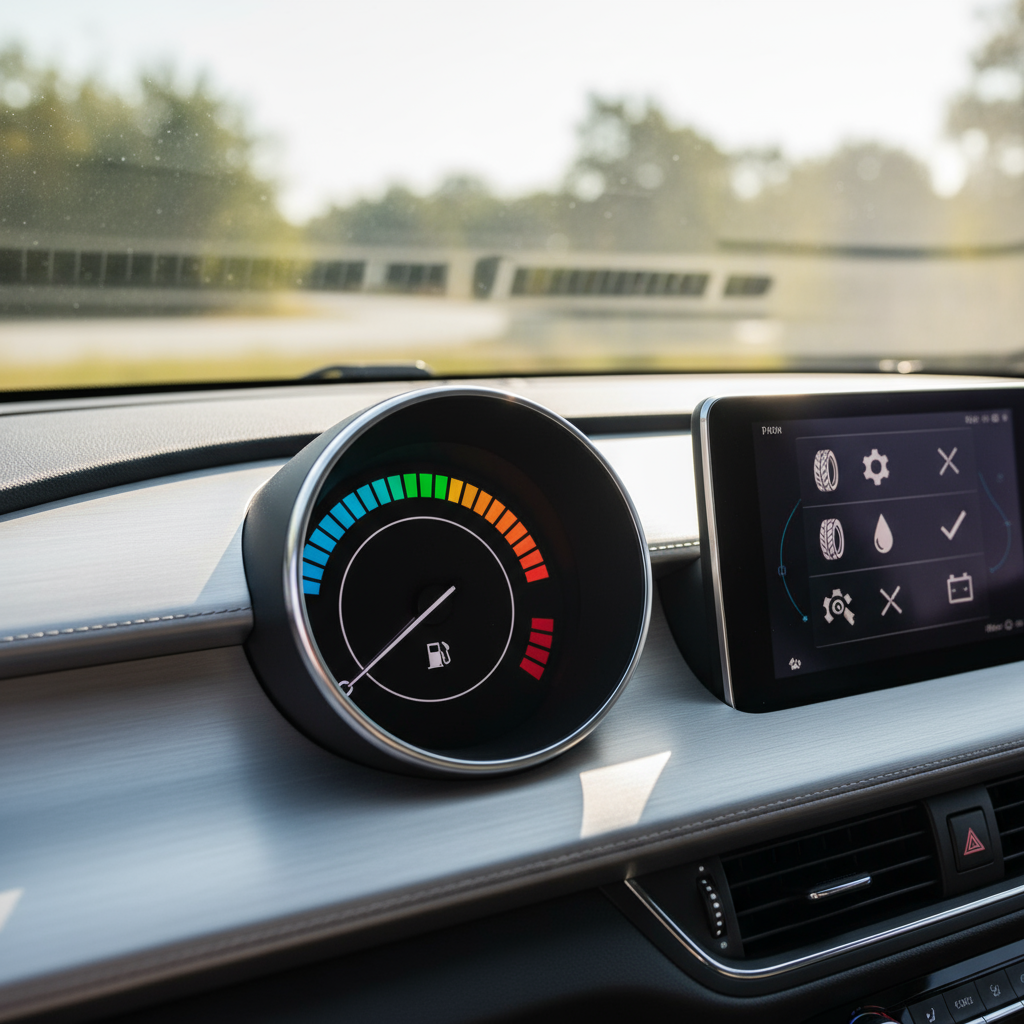
Gas prices got you feeling the pinch? You’re not alone. Managing fuel expenses has become one of those unavoidable budget battles we all face—especially when prices seem to jump overnight. But here’s the thing: there’s more to saving money on gas than just hunting for the cheapest station in town. Your driving habits matter. How you take care of your car matters. And yes, how you plan your finances around fuel costs? That matters too. We’re going to walk through some practical ways to stretch every dollar you spend at the pump, from tweaking how you drive to getting smarter about budgeting for gas. Trust me, these changes can add up to real savings.
Driving Habits and Vehicle Maintenance to Save Gas
Want to know the fastest way to save on fuel? Start with how you drive. I’m serious—the way you handle your car has a huge impact on how often you’re stopping for gas. And here’s what most people don’t realize: small changes in your daily driving routine can seriously cut your fuel costs over time. Think about it this way—every time you slam on the brakes or floor the gas pedal, you’re basically throwing money out the window. Smart driving isn’t just about being safe (though that’s obviously important). It’s about being strategic with every mile. Oh, and if you’re in the market for a new ride, learning tips for negotiating car prices can help you snag a fuel-efficient vehicle that’ll save you money from day one.
So what does “smart driving” actually look like? Picture this: you’re cruising at a steady speed instead of playing stop-and-go racing games with traffic. You’re using cruise control on the highway (your foot will thank you, and so will your wallet). When you’re stuck in that long drive-through line, you turn off your engine instead of letting it idle away your hard-earned cash. These aren’t revolutionary concepts, but they work. Now let’s talk maintenance—because a well-tuned car is a money-saving machine. Keep those tires properly inflated and change your air filter regularly. It’s like giving your engine room to breathe, which means better fuel efficiency. And if you’re using credit cards for car expenses, make sure you know how to use credit cards responsibly so you’re not paying extra in interest fees.
Key Aspects of Driving and Maintenance to Maximize Savings
Ready to turn your car into a fuel-saving machine? Here’s what actually moves the needle:
- Efficient Driving Practices: Maintain a steady speed to reduce fuel consumption. Avoid rapid acceleration which wastes gas, and use cruise control on highways to keep consistent velocity and optimize mileage.
- Idling Minimization: Turn off your engine when parked or waiting for extended periods. Idling consumes fuel unnecessarily and contributes to higher expenses over time.
- Tire Care and Maintenance: Keep tires inflated to manufacturer-recommended levels. Properly inflated tires reduce rolling resistance and improve fuel economy, saving you money throughout the year.
- Regular Engine Tune-Ups and Filter Changes: Schedule periodic engine check-ups and replace air and fuel filters promptly. Clean filters improve combustion efficiency, which enhances gas mileage and engine performance.
Here’s the reality: when you combine smart driving with proper car care, you’re not just saving gas—you’re extending your car’s life. That means fewer unexpected breakdowns, fewer expensive repairs, and more money staying in your pocket. It’s a win-win situation that keeps on giving.
Financial Planning and Smart Budgeting for Fuel Expenses
Now let’s get real about the money side of things. You can drive like a fuel-efficiency expert, but if you’re not planning for gas expenses in your budget, you’re still going to feel that financial stress every time prices spike. The key? Building fuel costs into your financial game plan before they become a problem. Maybe you’re setting aside money each month specifically for gas, or perhaps you’re exploring alternatives like carpooling with coworkers. (Have you seen how much you can save splitting gas costs?) The point is having a strategy. And if you’re working on bigger financial goals, understanding how to save money for a down payment teaches you the same disciplined budgeting skills that’ll help you manage fuel expenses like a pro.
Here’s something else worth considering: where you bank can actually impact how much money you have available for gas. Crazy, right? But knowing the difference between credit union and bank could help you find better rates, lower fees, or rewards that put more cash back in your pocket. Every dollar you save on banking fees is another dollar for your gas tank. And while we’re talking about managing money smartly, keeping tabs on your debt-to-income ratio—you can learn how to calculate debt to income ratio here—ensures that fuel costs aren’t pushing your finances into dangerous territory.
Key Financial Management Strategies for Fuel Savings
Want to take control of your fuel budget once and for all? These strategies actually work:
- Detailed Budgeting: Track your monthly fuel consumption and costs precisely. Set realistic spending limits and adjust other discretionary expenses to accommodate fuel needs without financial strain.
- Using Financial Tools and Accounts Wisely: Opt for financial institutions offering benefits like low fees, rewards, or better interest rates. This increases your available cash flow for fuel and other essentials.
- Debt Management Awareness: Regularly calculate your debt-to-income ratio to ensure fuel expenses aren’t contributing to debt overload. Effective debt management enhances your creditworthiness and financial flexibility.
- Explore Alternative Transportation Options: Incorporate cost-saving transportation strategies such as carpooling, public transport, or biking for short trips. This helps reduce total fuel consumption and associated costs effectively.
The bottom line? Taking control of your fuel expenses isn’t just about saving a few bucks here and there—it’s about creating breathing room in your budget for the things that really matter. When you’re proactive about managing these costs instead of just reacting to price changes, you’ll find yourself less stressed about money and more confident about your financial future. Plus, the habits you build around fuel budgeting tend to spill over into other areas of your finances in the best possible way.

Let’s be real—managing fuel expenses isn’t just about saving a few bucks here and there. It’s about taking control of one of those sneaky budget categories that can really add up (especially when gas prices seem to have a mind of their own). Throughout this guide, we’ve covered practical strategies that actually work: steady driving habits, keeping your car in good shape, and smart planning that goes beyond just hoping for cheaper gas prices.
Here’s what I’ve learned works best: those small maintenance tasks like checking tire pressure and staying on top of oil changes? They’re not just car care—they’re money savers. Same goes for carpooling and planning your routes. Sure, it takes a little effort upfront, but your wallet will thank you later.
But here’s the bigger picture. Gas savings aren’t just about driving techniques (though cruise control on the highway is definitely your friend). It’s about fitting fuel costs into your overall financial strategy. When you budget for gas realistically and treat it as part of your bigger money goals, something interesting happens—you stop stressing about every price spike at the pump.
Ready to put this into action? Start with the easy wins. Use cruise control when you can, avoid jackrabbit starts, and check those tire pressures monthly. Keep up with basic maintenance—your car will run better and use less gas. And here’s the key: create a budget that actually accounts for what you spend on fuel. No more guessing or getting caught off guard by higher gas bills.
Want to take your financial planning even further? Consider learning how to budget for recurring expenses—it’s a game-changer for managing transportation costs and other regular bills. If you’re using credit cards for gas purchases, make sure you know how to use credit cards responsibly to avoid interest charges that wipe out your savings. Shopping for a more fuel-efficient car? Our tips for negotiating car prices can help you get the best deal. And don’t forget about building that emergency fund—it’s your safety net when gas prices spike unexpectedly.
The bottom line? You’re not just saving money on gas—you’re building better money habits that ripple through your entire financial life. Every mindful driving choice, every maintenance check, every dollar you budget wisely adds up to real savings and less stress. You’ve got the tools and knowledge now. Time to put them to work and take control of those fuel costs for good.
Frequently Asked Questions
-
What is the most effective way to save gas?
- Adopting fuel-efficient driving habits such as maintaining steady speeds, avoiding rapid acceleration, and keeping your vehicle well-maintained with proper tire pressure and regular servicing are the most effective ways to save gas.
-
How often should I check my tire pressure?
- It’s best to check your tire pressure monthly to ensure tires are properly inflated, which helps improve fuel efficiency and prolongs tire life.
-
Can carpooling really save money on gas?
- Yes, carpooling reduces the number of vehicles on the road, thereby cutting down individual fuel consumption and associated costs significantly over time.
-
Does using cruise control save gas?
- Using cruise control on highways helps maintain a steady speed, reducing unnecessary acceleration and braking, which contributes to better fuel economy.

