
Let’s be real—talking about money can feel awkward, especially when you’re trying to figure out where all of it actually goes each month. You earn a paycheck, you pay your bills, and somehow you’re still wondering why your bank account looks the way it does. If you’ve ever felt that slightly panicked moment when you realize you can’t account for $200 of your last paycheck, you’re definitely not alone.
The good news? Understanding your spending patterns doesn’t require a finance degree or hours hunched over spreadsheets. It’s actually about getting curious about your money in a way that feels manageable and, honestly, kind of empowering once you get the hang of it. Whether you’re saving for something big or just trying to stop the money-disappearing-into-thin-air phenomenon, tracking your spending is the first real step toward taking control of your financial life.
Why Tracking Your Spending Actually Matters
Here’s the thing about money: we’re often terrible at remembering what we spent without looking at the actual numbers. Studies consistently show that people underestimate their discretionary spending by 30-50%. That coffee you grabbed Tuesday morning? The lunch with a friend on Friday? That $8 app subscription you forgot about? They add up faster than you’d think, and without tracking, they’re basically invisible.
When you start tracking your spending, something shifts. You’re not just writing down numbers—you’re creating awareness. And awareness is where change starts. Maybe you’ll discover you’re spending $200 a month on delivery apps when you thought it was $50. Maybe you’ll realize your streaming subscriptions have multiplied to five different services. These aren’t judgment moments; they’re information moments. They show you where your money is actually going versus where you thought it was going.
Tracking also helps you understand your relationship with money on a deeper level. Are you stress-spending? Impulse-buying when you’re bored? Overspending on one category while neglecting another? When you see the patterns, you can address the root cause instead of just feeling vaguely guilty about your finances. Plus, if you’re serious about building a sustainable budget, tracking is literally where you start. You can’t create a realistic budget without knowing what you’re actually spending.
Methods That Actually Work for Real People
Not everyone’s brain works the same way, which means not everyone tracks spending the same way. Let’s walk through the methods that actually stick:
The Receipt Method
This is the old-school approach: you save every receipt and categorize it at the end of the week or month. It’s tactile, it works if you’re a paper person, and it forces you to look at your spending regularly. The downside? You have to actually remember to keep receipts, and it doesn’t capture digital transactions automatically. If you love the tangible aspect of reviewing actual receipts, though, this method can be surprisingly effective.
The Spreadsheet Method
Some people genuinely enjoy the control of a spreadsheet. You create categories, set up formulas, and manually enter your transactions. It takes more time, but it gives you complete customization and a real sense of ownership over your numbers. Investopedia has solid guides on setting up tracking spreadsheets if this resonates with you.
The App Method
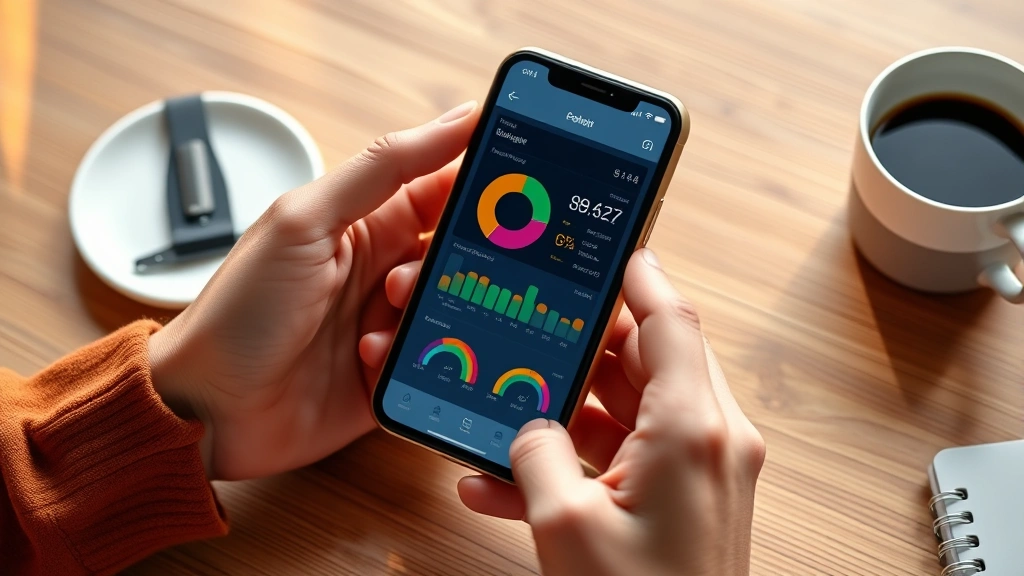
This is honestly where most people end up these days, and for good reason. Apps sync directly with your bank account and automatically categorize transactions. You get real-time notifications, visual breakdowns of where your money goes, and minimal effort required from you. We’ll dive deeper into specific apps in the next section.
The Envelope Method (Digital or Physical)
The envelope method is old but gold. You allocate specific amounts of cash to different spending categories and literally use envelopes (or digital equivalents) to track them. Once the envelope is empty, you’re done spending in that category. It’s incredibly effective because it forces you to stay within limits and makes overspending literally impossible. It’s also great if you struggle with impulse spending because physical cash feels more real than card swipes.
Here’s the truth: the best method is the one you’ll actually stick with. If you hate apps, don’t force yourself to use one. If spreadsheets feel tedious, don’t torture yourself. The method doesn’t matter as much as the consistency.
Technology Tools to Make It Easier
If you’re leaning toward letting technology help, here are some solid options:
- Mint (now Intuit Credit Karma Money)—Automatically categorizes transactions, tracks spending across categories, and sends alerts. Free and fairly intuitive.
- YNAB (You Need A Budget)—More intentional approach where you assign every dollar before you spend it. Paid app, but many people swear it changed their financial life.
- Personal Capital—Great if you want to track spending alongside investments and net worth. Good for people building comprehensive financial pictures.
- GoodBudget—Digital envelope system if you love the physical envelope method but want it on your phone.
- Empower (formerly Personal Capital)—Combines spending tracking with investment tracking and financial planning tools.
Most of these apps connect directly to your bank account, which means minimal manual entry on your part. NerdWallet has detailed reviews comparing different tracking apps if you want to dig deeper into specific features.
Setting Up Spending Categories
When you start tracking, you need to decide how granular you want to get with categories. Too many categories and you’ll get overwhelmed; too few and you won’t have meaningful information.
Here’s a solid starting framework:
- Housing (rent/mortgage, utilities, maintenance, insurance)
- Transportation (car payment, gas, insurance, public transit, maintenance)
- Groceries (food you cook at home)
- Dining Out (restaurants, coffee shops, delivery)
- Entertainment (movies, hobbies, events, subscriptions)
- Shopping (clothing, household items, non-essentials)
- Healthcare (copays, prescriptions, gym, wellness)
- Personal Care (haircuts, hygiene products, etc.)
- Debt Payments (credit cards, student loans, personal loans)
- Savings (emergency fund, goals)
You can absolutely customize these based on your life. If you have kids, you might add a childcare category. If you travel frequently, travel might be its own thing. The point is to create categories that actually reflect your spending and life.
One pro tip: don’t create a “Miscellaneous” category and dump everything in there. That category becomes a black hole where you lose visibility. If something doesn’t fit your main categories, create a new one. Once you see a pattern (like “oh, I’m consistently spending in this random category”), you can decide if it deserves its own category or if you want to curb that spending.
How to Analyze What You’ve Tracked
Collecting data is only half the battle. The real magic happens when you look at what the data is telling you.
Look for Patterns
After tracking for a month or two, you’ll start seeing patterns. Maybe your spending is consistent month-to-month, or maybe it spikes in certain months. Maybe you spend way more on dining out than you realized. Maybe one category is surprisingly low. These patterns are information.
Calculate Percentages
It’s helpful to see not just the raw numbers but the percentages. If you earn $3,000 a month and spend $600 on groceries, that’s 20%. Is that aligned with your values and goals? There’s no “right” percentage—it depends on your situation—but seeing the breakdown helps you make intentional choices.
Compare Month-to-Month
Track for at least 2-3 months before drawing conclusions. One month of data can be skewed by one-off expenses or unusual circumstances. Three months gives you a real baseline.
Identify Leaks
A spending leak is money going somewhere you don’t really value. That $15/month gym membership you never use? That’s a leak. Those five streaming services you pay for but only use one? Leak. These aren’t moral failings; they’re just opportunities to redirect money toward things that actually matter to you.

Connecting Tracking to Your Budget
Here’s where tracking transforms from just awareness into actual change: using it to create or adjust your budget.
Once you’ve tracked your spending for 2-3 months, you have real data. You know, not estimate, how much you spend on groceries, utilities, dining out, and everything else. This becomes the foundation of a realistic budget.
A realistic budget isn’t about cutting everything and living on ramen noodles. It’s about making intentional choices. Maybe you like spending $200 a month on dining out, and that aligns with your values. Great—budget for it. But if you were shocked to discover you’re spending that much, now you can make a conscious decision: keep it, reduce it, or redirect it.
The connection between tracking and budgeting also helps with the other critical money moves. If you want to improve your credit score, tracking helps you see if you have room in your budget to pay down debt faster. If you want to build an emergency fund, tracking shows you exactly where you can find money to allocate toward that goal.
Think of tracking as the diagnostic tool and budgeting as the treatment plan. You can’t have an effective treatment plan without a good diagnosis.
FAQ
How long should I track my spending before making changes?
Ideally, 2-3 months. This gives you enough data to see patterns without seasonal anomalies skewing your view. One month is too short; you might catch an unusual month. After three months, you have solid baseline data.
What if I forget to track something?
It happens. If you’re using an app that syncs with your bank, you’ll catch it when you review your transactions. If you’re doing it manually, don’t stress about perfection. Even if you’re 90% accurate, you’re getting way more information than you had before. Perfect is the enemy of done.
Is it okay to have a “fun money” category with no limits?
Absolutely. Many people budget a certain amount for discretionary spending with no restrictions. Maybe it’s $50 a month, maybe it’s $200. The point is that you’ve consciously decided how much you’re okay spending on non-essentials, and that’s perfectly healthy. This is different from accidentally overspending because you didn’t track.
Should I track my partner’s spending too?
If you share finances, yes. You both need visibility into where the household money is going. This isn’t about surveillance; it’s about alignment. Money is one of the top reasons couples fight, and that’s usually because they’re not on the same page about spending. Tracking together creates transparency and helps you make financial decisions as a team.
What if my spending is way higher than I expected?
First, breathe. You’re not a bad person for spending money; you were just spending it without awareness. Now that you have awareness, you can make changes. Start with the low-hanging fruit—those subscriptions you’re not using, that delivery habit you didn’t realize was so expensive. Small changes add up. Also, check out Bankrate’s budgeting guides for practical strategies on reducing spending without feeling deprived.
Can I track just certain categories instead of everything?
You can, but you’ll get more value from tracking everything. Sometimes the biggest spending leaks are in categories you weren’t paying attention to. That said, if tracking everything feels overwhelming, start with the categories where you spend the most money. You can always expand later.