
Table of Contents
Introduction
So you’re thinking about buying a used car? Smart move. It’s one of those decisions that’ll touch pretty much every part of your life—how you get to work, weekend adventures, even your monthly budget. But here’s the thing: the used car market can feel like navigating a maze blindfolded if you don’t know what you’re doing.
Look, I get it. Used cars are incredibly appealing because they won’t demolish your savings account like a brand-new vehicle would. You get way more bang for your buck, and honestly, some of the best cars out there are sitting on used lots right now. But (and this is a big but), buying used comes with its own set of challenges. Hidden problems, sketchy histories, unexpected repair bills—they’re all lurking out there. That’s why knowing how to budget properly, dig into a car’s past, and spot trouble before it spots you is absolutely crucial. And when it comes time to talk numbers? Well, learning tips for negotiating car prices might just save you thousands.
Here’s something most people don’t think about upfront: the financial ripple effects. Insurance, maintenance, those little expenses that add up faster than you’d expect. Even checking out insurance for car dealers can give you insights into coverage options you might not have considered. Trust me, understanding these financial pieces from the start means your “great deal” stays great for years to come.
The actual buying process? That’s where things get interesting. You’ve got negotiations (which honestly can be fun once you know what you’re doing), paperwork that needs careful attention, and sometimes bringing in a mechanic for a professional opinion. Tools like auto loan calculators become your best friend when you’re trying to figure out what you can actually afford each month. When you understand all these moving parts, buying a used car stops feeling overwhelming and starts feeling empowering.
What You’ll Learn in This Guide
We’re going to walk through everything you need to know to buy a used car like a pro—without the stress, regret, or nasty surprises.
- Research and Budgeting: How to set a budget that actually works (including those sneaky costs everyone forgets about). Plus, we’ll cover researching different models and figuring out what cars are really worth in today’s market.
- Inspection Techniques: The art of spotting problems before they become your problems. We’ll go through everything from paint issues to engine red flags, step by step.
- Test Drive and Evaluation: What to pay attention to when you’re behind the wheel, and how to tell if those weird noises mean trouble or if they’re just quirky car personality.
- Paperwork and Negotiation: Navigating titles, registrations, and warranties without getting overwhelmed. Plus, negotiation strategies that actually work (without making anyone uncomfortable).
Throughout this guide, you’ll find resources that dig deeper into important topics. For instance, understanding how to build an emergency fund can be a lifesaver when your car decides to surprise you with an unexpected repair. The goal here is simple: arm you with enough knowledge to walk into any used car situation feeling confident and prepared.
We’ll start with the research phase and work our way through every single step—budgeting, hunting for the right car, inspecting it like a detective, taking it for a spin, and finally sealing the deal. You’ll learn how to read vehicle history reports (and what those cryptic codes actually mean), spot red flags during inspections, and handle all the legal stuff without breaking a sweat. This isn’t just about saving money today; it’s about making a smart investment that’ll serve you well down the road.
Whether you’re the type who obsesses over fuel economy, needs rock-solid reliability, or just wants something that looks good in your driveway, we’ve got you covered. You’ll also learn when it’s worth paying for a professional inspection—because sometimes that mechanic’s fee can save you from a money pit. By the time you finish reading, you’ll approach used car lots with the confidence of someone who knows exactly what they’re doing.
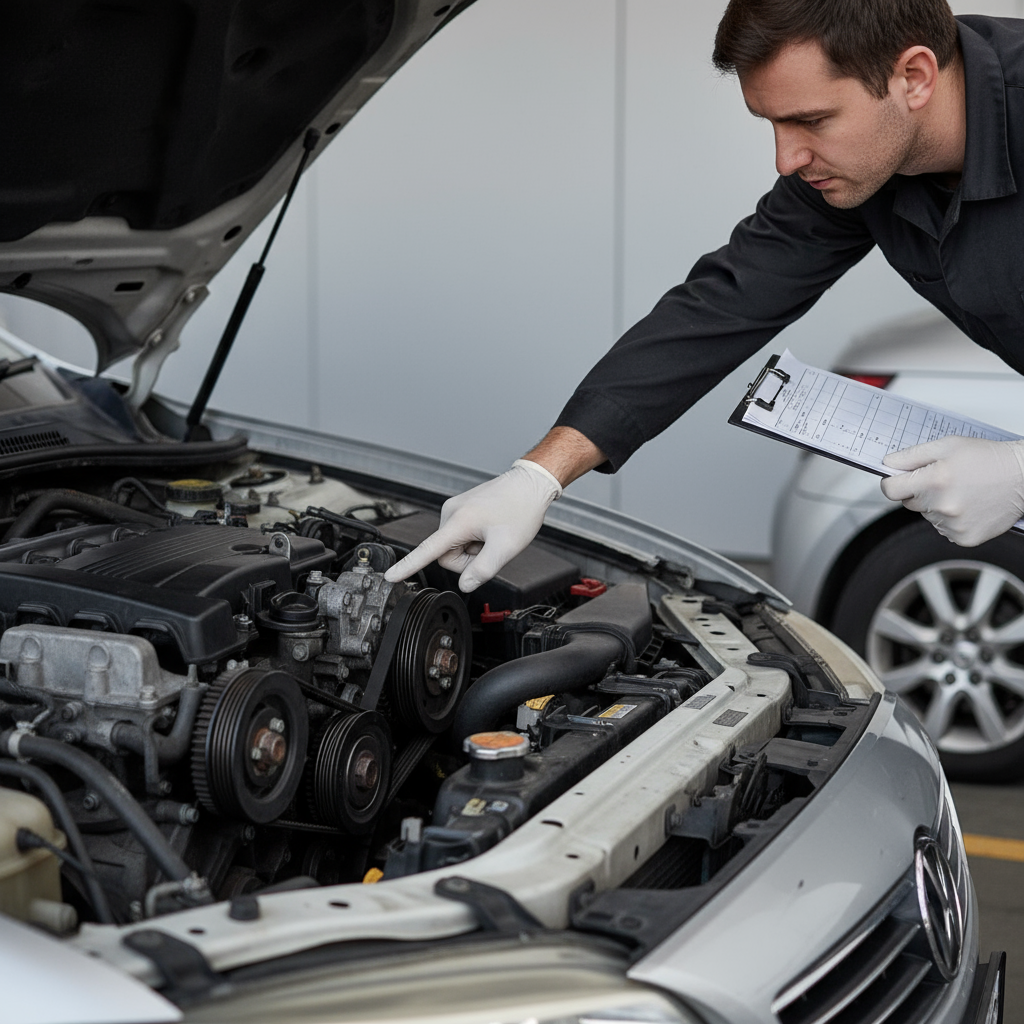
Buying a used car? It’s way more complicated than just falling in love with something shiny on the lot. Trust me—I’ve learned this the hard way. You need a game plan that covers everything from research to that final handshake. We’re talking about smart budgeting (yes, beyond just the sticker price), digging into vehicle histories, and knowing how to negotiate without getting taken for a ride. Because here’s the thing: with the right approach, you can dodge those expensive mistakes and drive away with a car that actually makes sense for your life and your wallet.
Research and Planning Before Buying a Used Car
Let’s start with the foundation—research and planning. Sounds boring, right? But this is where you either set yourself up for success or walk into a nightmare. First things first: figure out what you actually need. Are you commuting to work every day? Hauling kids around? Weekend road trips? Your lifestyle should drive your choice, not just what looks cool.
Now, about that budget. Here’s where most people mess up—they think about the car price and stop there. Wrong move. You’ve got taxes, insurance, registration, and (this is the big one) maintenance costs lurking around the corner. Smart buyers build some wiggle room into their budget because, let’s face it, used cars love to surprise you with unexpected expenses. If you’re wondering how to prepare for these financial curveballs, checking out how to build an emergency fund can be a real lifesaver for protecting your finances throughout this whole process.
Here’s where the detective work begins. Research different makes and models like you’re studying for a final exam. What’s reliable? What holds its value? Compare prices across multiple sellers—dealers, private parties, online marketplaces. You want to know what fair market value looks like before you start talking numbers. And those vehicle history reports? They’re not optional. These reports will tell you if the car’s been in accidents, how many people have owned it, and whether it’s been properly maintained. Speaking of negotiations, learning some tips for negotiating car prices will give you the confidence to use all this research when you’re face-to-face with sellers.
Key Aspects of Research and Planning
Here’s what you absolutely can’t skip during your prep work:
- Comprehensive Budgeting: Don’t just think about the purchase price. Factor in taxes, insurance, registration fees, and what you’ll spend on maintenance. This realistic budgeting prevents those “oh no” moments later and keeps ownership affordable.
- Market Analysis: Dive deep into different models—reliability ratings, fuel economy, what actual owners say about them. This homework helps you focus on cars that’ll treat you well long-term.
- Vehicle History Verification: Get those detailed reports that show accident history, title problems, and maintenance records. It’s like getting the car’s medical history—you need to know what you’re dealing with.
- Price Negotiation Readiness: Arm yourself with solid market data and know the car’s condition inside and out. This knowledge is your best weapon for getting a fair deal and avoiding overpriced mistakes.
Once you’ve done your homework, you’ll feel way more confident walking onto any lot or meeting any seller. This preparation doesn’t just give you negotiating power—it dramatically reduces your chances of buying someone else’s problem. But research only gets you so far. Next up? Time to get hands-on with a thorough inspection.
Thorough Inspection and Informed Decision Making
Okay, you’ve done the research and found some promising candidates. Now comes the fun part—playing car detective. This is where you put on your inspector hat and really examine what you’re thinking about buying. Don’t rush this step. I’ve seen too many people skip the details and regret it later.
Start with the outside. Walk around the entire car slowly. Look for dents, scratches, rust spots, or paint that doesn’t quite match—these can be red flags about accidents or poor maintenance. Check those tires too. Uneven wear patterns tell a story about alignment issues or how the car’s been driven. Make sure all the lights work. It sounds basic, but you’d be surprised how many people miss these obvious checks. And if you’re thinking about the financial side of car ownership, understanding how to save money for a down payment can actually help you plan your ongoing financial commitments beyond just the purchase.
Inside the car, sit in every seat if you can. Check that the upholstery isn’t torn or stained. Test the dashboard—do all the lights and gauges work? Try every button, knob, and switch. Pay attention to smells too. Musty odors could mean water damage, which is expensive trouble you don’t want. Pop the hood and take a look. You don’t need to be a mechanic, but you can check fluid levels, look for obvious leaks, and see if everything looks reasonably clean and well-maintained.
Then comes the test drive—this is your moment of truth. Don’t just drive around the block. Get on different types of roads if possible. How does it accelerate? Do the brakes feel smooth and responsive? Is the steering straight and steady? Listen for weird noises, feel for vibrations. Your gut instinct during this drive matters a lot.
Key Aspects of Vehicle Inspection and Testing
Here’s your inspection checklist to make sure you’re making a smart choice:
- Exterior Condition Check: Hunt for body damage, rust, and check those tire treads carefully. Good paint and working lights usually mean the owner took care of things, which saves you money down the road.
- Interior Examination: Test every seat, button, and display. Sniff around for odd smells or signs of water damage—catching these early can save you from expensive surprises later.
- Mechanical Review Under the Hood: Look at oil levels, brake fluid, belts, and battery condition. A clean engine bay without leaks is usually a good sign that someone’s been paying attention to maintenance.
- Comprehensive Test Drive: Test everything—acceleration, braking, steering, comfort. Try different road conditions if you can. This is where you’ll really feel if the car is right for you.

So here we are—you’ve made it through the complete guide to buying a used car. Pretty overwhelming at first, right? But here’s the thing: it doesn’t have to be a nightmare. You now know the essentials, from setting a realistic budget (don’t forget those sneaky costs like taxes and insurance!) to giving that car a thorough once-over inside and out. The real trick? Looking beyond that shiny sticker price to spot the hidden expenses lurking around the corner.
We’ve talked about why checking the vehicle’s history matters so much, and why you absolutely need to test drive under different conditions. Because honestly? A car that purrs like a kitten in the dealer’s lot might sing a very different tune on the highway. And let’s not forget the art of negotiation—yes, it’s totally an art—and handling all that paperwork without breaking into a cold sweat. Each step is your chance to get smarter and protect your hard-earned money.
Ready to put all this knowledge to work? Start with our guide on tips for negotiating car prices—trust me, these strategies will save you serious cash. But here’s something equally important: having a financial safety net. Check out our step-by-step tutorial on how to build an emergency fund because cars have this funny way of needing repairs right when you least expect it. And if you’re still working on that down payment, our guide on how to save money for a down payment will help you approach financing with real confidence. Want to crunch some numbers? This auto loan calculator is perfect for figuring out what those monthly payments will actually look like.
While you’re at it, consider taking a broader look at your finances. Our guide on how to create a financial plan will help you make sure this car purchase fits into your bigger financial picture. Because the last thing you want is buyer’s remorse six months down the road.
Look, buying a used car doesn’t have to keep you up at night. You’ve got the research skills, you know what to look for during inspections, and you understand the financial side of things. That’s honestly more than most people have when they walk onto a car lot. The secret sauce? Patience. Take your time, ask plenty of questions, and don’t be afraid to bring in a professional when you need one. Your perfect car is out there, and now you’re equipped to find it without getting taken for a ride (pun intended). Go get ’em!
Frequently Asked Questions
-
How can I verify a used car’s accident history?
- Use vehicle history report services like Carfax or AutoCheck for detailed records.
-
What should I look for during a test drive?
- Focus on engine performance, brakes, steering, and any unusual noises or vibrations.
-
Is it necessary to hire a mechanic before buying?
- Yes, a professional mechanic can identify problems not obvious to the buyer.
-
How do I negotiate the price of a used car?
- Use research data on market value, point out any flaws, and be ready to walk away.
-
What paperwork should I check before finalizing the purchase?
- Always verify the title, registration, and any warranty documents to avoid legal issues.

