
Table of Contents
Introduction
Picture this: You’re checking your credit card statement over morning coffee, and there it is—a charge you definitely didn’t make. Your heart sinks. Sound familiar? You’re not alone. Credit card scams are everywhere these days, and honestly, they’re getting pretty sophisticated. The good news? You can absolutely protect yourself if you know what to look for.
Here’s what’s happening out there: millions of people get hit by credit card fraud every single year. We’re talking billions in losses globally. That’s not just a number—that’s real people losing real money. But here’s the thing that really matters: when you understand how these scams work, you can stay ahead of them. It’s like having a roadmap through a minefield.
Think of credit card safety as part of your overall money smarts. When you learn to use credit cards responsibly, you’re already building good habits that help you spot trouble. And getting specific about how to protect against credit card fraud and how to avoid credit card scams gives you the practical tools you need. It all works together.
The bigger picture? This stuff connects to everything else in your financial life. Understanding how to increase your credit limit wisely and keeping your credit score healthy—it’s all related to protecting yourself from financial damage. When you’ve got a solid foundation, you’re much harder to knock down.
What You’ll Learn in This Guide
We’re going to walk through everything you need to know about staying safe from credit card scams. No fluff, just practical stuff you can actually use:
- Understanding Common Scams: We’ll break down phishing attempts, those sneaky skimming devices, and fake websites that look surprisingly real. Once you know their playbook, you’ll spot these tricks coming from a mile away.
- Protecting Your Information: Real-world tips for keeping your credit card safe, whether you’re shopping online or swiping at the store. Plus, we’ll cover account monitoring that actually works.
- Recognizing Fraud Signs: Those weird charges that make you go “hmm”? We’ll help you trust your instincts and know when something’s definitely not right.
- Responding to Scams: If the worst happens, you’ll know exactly what to do. No panic, just action. We’ll walk you through calling your bank, reporting fraud, and getting your money back.
By the time we’re done, you’ll feel confident about using your credit cards safely. Knowledge really is power here—especially when it comes to protecting your hard-earned money.
First up, we’re diving into the most common scams you’ll encounter. These aren’t theoretical threats—they’re real tactics that scammers are using right now to target people just like you. But once you know what they’re up to, their tricks lose their power.
Then we’ll get practical about protecting your information. This isn’t about living in fear or avoiding technology. It’s about smart habits that become second nature. We’ll also talk about those early warning signs of fraud—the subtle stuff that might slip past you if you don’t know what to watch for.
And if something does go wrong? Don’t worry. We’ve got you covered with a clear action plan that takes the guesswork out of a stressful situation. Consider this your complete toolkit for credit card safety—everything you need to use your cards with confidence and peace of mind.
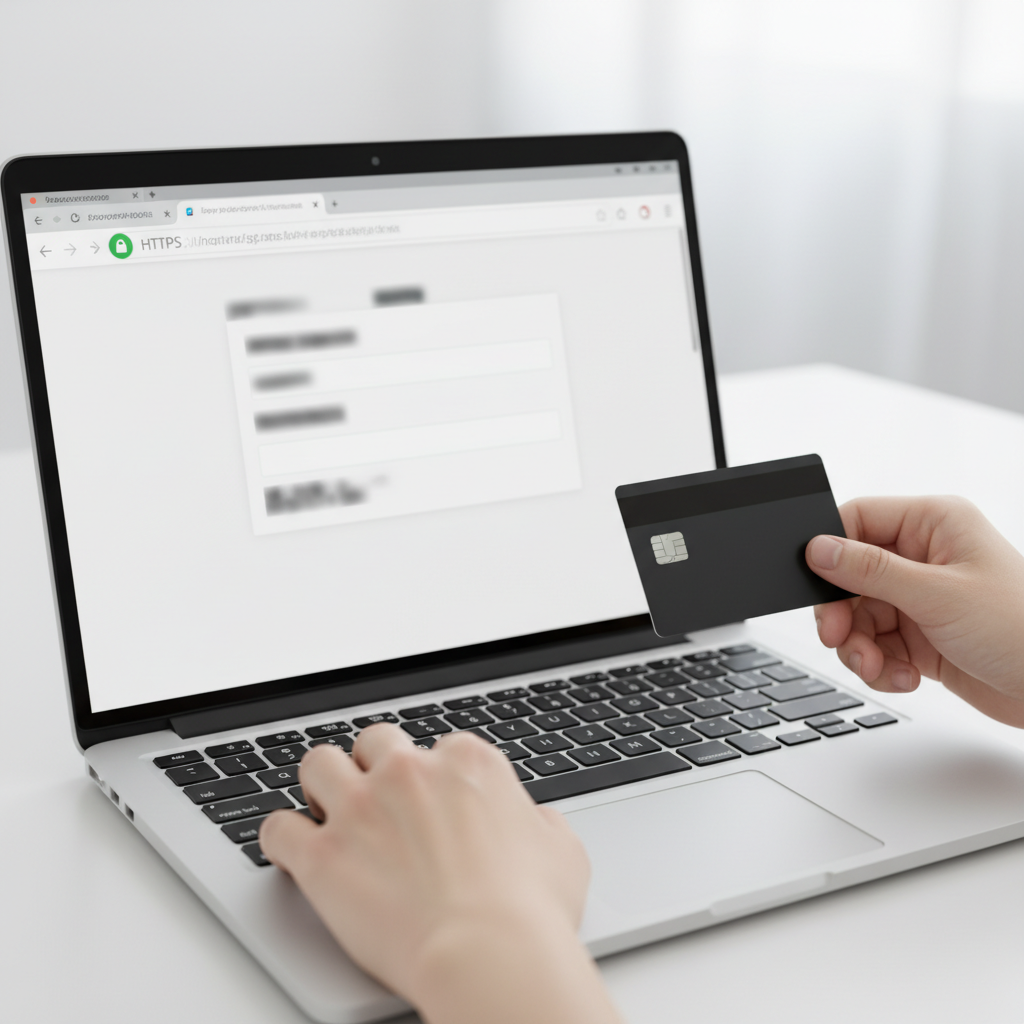
Your credit card just got charged $247 for something you never bought. Sound familiar? Unfortunately, you’re not alone. With most of us shopping, banking, and paying bills online these days, credit card scams have become a real problem—and they’re getting sneakier by the day. The good news? Once you know what to look for, protecting yourself becomes a whole lot easier. Let’s walk through the most common tricks scammers use and the simple steps you can take to keep your hard-earned money exactly where it belongs: in your account.
Common Types of Credit Card Scams
Credit card scammers are creative, I’ll give them that. They’ve got dozens of ways to try and steal your information, and they’re constantly coming up with new ones. But here’s the thing—most scams fall into a few predictable categories. Once you recognize their playbook, you’ll spot these tricks coming from a mile away. The big three? Phishing schemes (those convincing fake emails), skimming devices (tiny gadgets that steal your card info), and fake websites that look surprisingly real. Knowing how these work is your first line of defense. And if you want to level up your overall financial game, learning how to use credit cards responsibly pairs perfectly with these security tips—because smart spending habits and fraud prevention go hand in hand.
Let’s start with phishing scams. Picture this: you get an email that looks like it’s from your bank, complete with their logo and official-looking language. It says there’s been “suspicious activity” on your account and you need to verify your card details immediately. The email looks legit, the urgency feels real, and before you know it, you’ve handed over your information to a scammer. These fake messages are getting incredibly sophisticated—but they almost always have tells. Maybe the email address doesn’t quite match the real company, or there are subtle spelling errors, or the tone feels just a bit off.
Then there are skimming devices. These little electronic thieves get attached to ATMs and card readers at stores, gas stations, anywhere you swipe or insert your card. You use the machine normally, thinking everything’s fine, but that tiny device just copied all your card information. The scary part? They’re often nearly invisible. But once you know what to look for—readers that seem loose, different colors, or just “off” somehow—you can protect yourself.
And don’t get me started on fake websites. Scammers create incredibly convincing copies of popular shopping sites, complete with familiar layouts and logos. You think you’re buying that perfect gift or snagging a great deal, but you’re actually handing your credit card details directly to criminals. The result? Fraudulent charges start showing up faster than you can say “buyer beware.”
Key Aspects of Common Credit Card Scams
Here’s what you need to know about the most common scam types—and how to spot them before they spot you:
- Phishing Scams: These rely on fooling you into thinking they’re someone you trust. Red flags include urgent language (“Act now!”), unexpected requests for personal info, typos, and email addresses that don’t match the real company. My rule of thumb? When in doubt, don’t click that link. Instead, go directly to the official website or call the company using the number on your card.
- Skimming Devices: These sneaky gadgets can be tough to spot, but they might make card readers look slightly different—maybe a different color or texture. Always give ATMs and card readers a quick visual check before using them. Cover your PIN when you enter it (seriously, every time), and stick to ATMs in well-lit, monitored areas when possible.
- Fake Websites and Emails: Fraudulent sites often mimic the real deal almost perfectly. Look for “https” in the URL (that little “s” matters!), and be extra cautious with links from emails you weren’t expecting. Pro tip: bookmark your favorite shopping sites and use those bookmarks instead of clicking email links.
- Unauthorized Access via Data Breaches: Sometimes it’s not even your fault—companies get hacked, and your info gets stolen in the process. That’s why checking your credit reports regularly and monitoring your accounts isn’t just smart, it’s necessary. Catch fraudulent activity early, and you can shut it down fast.
Want to stay even more protected? Check out this guide on how to prevent phishing scams. It dives deeper into the latest tricks scammers are using and how to stay one step ahead.
Now that you know what you’re up against, let’s talk about how to build a fortress around your credit card information.
How to Protect Your Credit Card Information
Here’s the truth: protecting your credit card isn’t rocket science, but it does require some intentional habits. Think of it like locking your car—you don’t think twice about it because it’s automatic. That’s what we want your credit card security to become: second nature. The secret sauce? A mix of smart online habits, regular account monitoring, and treating your physical cards like the valuable pieces of plastic they are. And while you’re building these good habits, why not also explore tips for increasing your credit score? Strong credit health and solid security practices are like peanut butter and jelly—they just work better together.
The beauty of good credit card security is that most of it just requires tweaking things you’re already doing. Shopping online? Great, just make sure you’re doing it safely. Checking your bank balance? Perfect—take an extra minute to scan for anything weird. Already carrying cards in your wallet? Awesome, just be a bit more mindful about how you handle them. Small changes, big protection.
Key Aspects of Protecting Your Credit Card Information
These practical strategies will help you build a solid defense against credit card fraud—and most of them take less effort than you’d think:
- Secure Online Shopping Tips: Always look for that little padlock icon in your browser’s address bar—it means the site is using HTTPS encryption. Skip the online shopping when you’re on public Wi-Fi (yes, even that “secure” coffee shop network). And here’s a game-changer: turn on two-factor authentication wherever possible. It’s like having a bouncer for your accounts—even if someone gets your password, they still can’t get in without that second verification step.
- Monitoring Your Accounts Regularly: Make checking your credit card statements as routine as checking the weather. Look for charges you don’t recognize, even small ones (scammers sometimes test with tiny amounts first). Set up account alerts for transactions over a certain amount—your phone will ping you the moment something significant happens. This habit also helps you keep an eye on your credit utilization, which your credit score definitely appreciates.
- Safe Handling of Physical Cards: Keep your cards somewhere secure, and never, ever share your PIN. When you hand your card to a server or cashier, pay attention to what they’re doing with it. Always shield the keypad when entering your PIN—you’d be surprised how easily someone can peek over your shoulder. If your card goes missing, call your bank immediately. The faster you report it, the less liability you’ll have.
- Use Credit Card Security Features: Take advantage of all those security features your card company offers. Use your CVV code, try virtual card numbers for online shopping, and consider payment apps that create token numbers instead of using your real card digits. These features exist for a reason—use them!
Want to make an even smarter choice about where you keep your money? Learning about the differences between credit unions and banks can help you pick a financial institution with better fraud protection and customer service when you need help resolving disputes.

Here’s the reality: credit card scammers are getting smarter every day. They’re not just sending obvious phishing emails anymore—they’re creating fake websites that look identical to your bank’s site, planting tiny skimming devices on ATMs (yes, even the ones at your local grocery store), and crafting emails so convincing that even tech-savvy people fall for them. The threat is real, and it’s everywhere.
But don’t panic. Protecting yourself isn’t rocket science—it just takes some smart habits. When you’re shopping online, always check for that little padlock icon in your browser and make sure the URL starts with “https.” Keep an eye on your account like a hawk (seriously, check it weekly if you can). And when you’re using your card in public? Shield that PIN entry. Trust me, someone’s always watching.
Caught something fishy on your statement? Act fast. The sooner you spot unauthorized charges or weird communications, the better your chances of stopping the damage in its tracks. Call your bank immediately—don’t wait until Monday morning if you notice something on a weekend. Change your passwords, file reports if needed, and document everything. Speed matters here.
Ready to level up your financial security? Start by getting smarter about credit in general with our guide on how to use credit cards responsibly—because good credit habits are your first line of defense. Then dive into our tips for increasing your credit score to unlock better financial opportunities (and make yourself less of a target). While you’re at it, understanding what is asset allocation will help you build a stronger overall financial foundation. And since scams go way beyond credit cards these days, check out this helpful resource on how to prevent phishing scams for broader protection strategies.
Look, knowledge really is your best weapon against scammers. But it’s not just about knowing what to watch for—it’s about having a plan when things go sideways. (And they might, even if you do everything right.) The steps we’ve covered aren’t suggestions—they’re your financial lifeline. Stay alert, stay informed, and remember: a little paranoia about your credit card security is actually a good thing. Your future self will thank you for taking this seriously.
Frequently Asked Questions
-
How can I tell if a website is secure for online shopping?
- Look for “https” in the URL and a padlock symbol in the browser address bar, which indicate the site uses secure encryption to protect your data.
-
What should I do if I notice a fraudulent charge?
- Contact your bank immediately to report the suspicious charge, dispute the transaction, and prevent further unauthorized use of your account.
-
Can scams happen even with contactless payments?
- Yes, scammers can exploit vulnerabilities in contactless payment technology, so it’s important to monitor your accounts and use security features.
-
Is it safe to share my credit card details over the phone?
- Only share your card details if you initiated the call and are certain of the recipient’s identity. Avoid sharing information during unsolicited calls.
-
How often should I check my credit card statements?
- Review your statements regularly, ideally monthly, to quickly detect and address any unauthorized transactions or errors.

